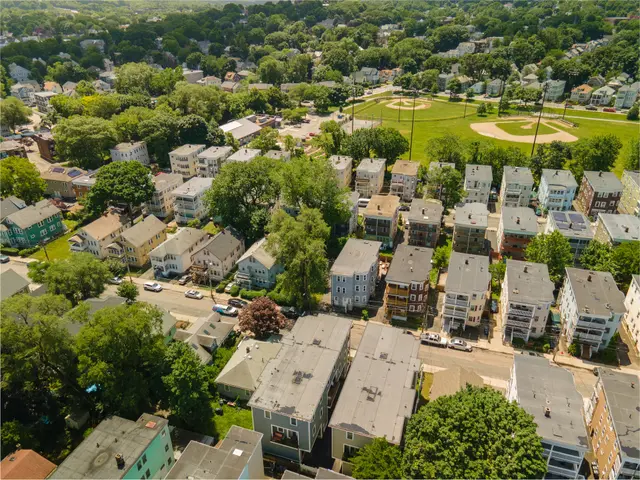
· By Juan Murray
How to Get the Best Mortgage Rates in Jamaica Plain, MA
To get the best mortgage rate in Jamaica Plain, strengthen your credit and debt-to-income ratio, compare several lenders, choose the right loan type, and lock your rate once you find a favorable one. A rate lock often holds your rate for 30 to 60 days, so time it to your closing.
How do you get the best mortgage rate in Jamaica Plain?
Review and improve your credit, compare offers from local banks, credit unions, and online lenders, weigh points and fees along with the rate, and lock once you find a favorable rate.
Securing the best mortgage rates is a crucial step in the home-buying process, including in Jamaica Plain, MA. As a prospective homeowner in this area, understanding how to navigate the mortgage landscape can significantly impact your financial future. By taking strategic steps, you can improve your chances of getting mortgage terms that align with your budget and long-term goals.
Key Takeaways
- A higher credit score typically translates to a lower interest rate, so review your credit report for accuracy and pay down debts before you apply.
- Compare local banks, credit unions, and online lenders, and use competing offers to negotiate better terms.
- A rate lock holds your rate for a specified period, often 30 to 60 days, so make sure it fits your closing timeline.
- Compare points and fees along with the interest rate to find the most cost-effective offer.
- No one can reliably predict when rates will rise or fall, so talk with your lender about when to lock.
How does your credit score affect your mortgage rate?
Your credit score plays a pivotal role in determining the mortgage rate you qualify for. Lenders use this score to assess your creditworthiness and the risk associated with lending to you. In Jamaica Plain, as in other parts of the country, a higher credit score typically translates to lower interest rates. Before applying for a mortgage, it's essential to review your credit report for accuracy and address any discrepancies. Paying down outstanding debts and maintaining a low credit utilization ratio can also help improve your score. By taking these steps, you position yourself as a more attractive candidate to lenders, potentially securing a better rate.
Should you compare mortgage lenders?
Yes. Lenders offer different mortgage products and rates. It's beneficial to explore options from local banks, credit unions, and online lenders to find the best fit for your needs. Each lender may have unique offerings or incentives, such as reduced fees or special programs for first-time buyers. By comparing multiple lenders, you can gain a comprehensive understanding of the market and identify the most competitive rates available. This research can also help you negotiate better terms by leveraging offers from different institutions.
Should you choose a fixed-rate or adjustable-rate mortgage?
It depends on how long you plan to stay and how much rate change you can handle. Different types of loans come with varying interest rates and terms. In Jamaica Plain, common mortgage options include fixed-rate and adjustable-rate mortgages (ARMs). A fixed-rate mortgage offers stability with a consistent interest rate throughout the loan term, making it a popular choice for those planning to stay in their home long-term. On the other hand, ARMs may start with lower rates that adjust over time, potentially offering savings in the initial years. Understanding the pros and cons of each loan type can help you choose the one that best aligns with your financial situation and homeownership goals.
Does the timing of your application affect your mortgage rate?
The timing of your mortgage application can influence the rate you receive. Mortgage rates fluctuate based on economic conditions, market demand, and Federal Reserve policies. In Jamaica Plain, staying informed about these factors can help you identify the optimal time to lock in a rate. Monitoring market trends and talking with your lender can help you decide when to lock, though no one can reliably predict when rates will rise or fall.
Does a larger down payment get you a lower mortgage rate?
It can. A larger down payment can significantly impact the mortgage rate you qualify for. Lenders often view borrowers who put down more money as less risky, which can lead to lower interest rates. In Jamaica Plain, where property values can be substantial, increasing your down payment can also reduce the overall loan amount, further decreasing your financial burden. While saving for a larger down payment may require more time and effort, the long-term savings on interest can make it a worthwhile investment.
When should you lock your mortgage rate?
Once you've found a favorable mortgage rate, it's important to lock it in to protect against potential increases. A rate lock holds the interest rate for a specified period, often 30 to 60 days. In Jamaica Plain's competitive real estate market, securing a rate lock can provide peace of mind and stability as you finalize your home purchase. Be sure to understand the terms of the rate lock, including any fees or conditions, to ensure it aligns with your closing timeline.
How do points and fees affect the cost of your mortgage?
They add to the upfront cost, so compare them along with the rate. When evaluating mortgage offers, it's essential to consider not just the interest rate but also the associated points and fees. Points, or discount points, are upfront fees paid to the lender in exchange for a lower interest rate. In Jamaica Plain, where every percentage point can impact your monthly payments, understanding how points work can help you make an informed decision. Additionally, be aware of other fees, such as origination fees or closing costs, which can add to the overall cost of the loan. By factoring in these expenses, you can accurately compare different mortgage offers and choose the most cost-effective option.
How does your debt-to-income ratio affect your mortgage rate?
A lower ratio can lead to more favorable rates and terms. Lenders assess your debt-to-income (DTI) ratio to determine your ability to manage monthly payments. A lower DTI ratio indicates a healthier balance between debt and income, making you a more attractive borrower. In Jamaica Plain, where housing costs can be significant, improving your DTI ratio by paying down existing debts or increasing your income can enhance your mortgage application. This improvement can lead to more favorable rates and terms, ultimately reducing your long-term financial obligations.
Who can help you find the best mortgage rate?
Experienced real estate agents, loan officers, and mortgage brokers. Navigating the mortgage process can be complex, and seeking professional guidance can provide valuable support. Experienced real estate agents, loan officers, and mortgage brokers can help you understand loan options, compare lenders, and keep the process on schedule.
Why should you follow mortgage market trends?
So you can adjust your strategy as conditions change. Keeping abreast of market trends is crucial for making informed decisions about your mortgage. In Jamaica Plain, factors such as local housing demand, economic conditions, and interest rate forecasts can all influence mortgage rates. By staying informed through reputable news sources and financial publications, you can anticipate changes in the market and adjust your strategy accordingly. This proactive approach helps you stay prepared throughout the home-buying process.
What is your next step in Jamaica Plain?
Do your research and work with knowledgeable professionals. Finding the best mortgage rates in Jamaica Plain, MA, can make a significant difference in your home-buying journey. By staying informed and working with knowledgeable professionals, you can look for a rate that fits your budget. Remember, a little research and the right guidance can go a long way. For help with your search, reach out to Juan Murray or set up listing alerts for Jamaica Plain.
FAQ
How can I lower my mortgage rate in Jamaica Plain?
Raise your credit score, lower your debt-to-income ratio, and consider a larger down payment, since lenders often view borrowers who put down more as less risky. Then compare several lenders and look at whether discount points make sense for you.
How long does a mortgage rate lock last?
A rate lock holds the interest rate for a specified period, often 30 to 60 days. Check its terms, including any fees or conditions, so it lines up with your closing timeline.
Is a fixed-rate or adjustable-rate mortgage better?
It depends on your plans. A fixed-rate mortgage keeps a consistent rate for the whole loan term, which is why it's popular with buyers planning to stay long-term, while an ARM may start lower and adjust over time.
The bottom line: the best mortgage rate in Jamaica Plain comes from a strong credit profile, offers from several lenders compared on rate, points, and fees, and a rate lock that fits your closing timeline.
Have questions? Let's connect.
About Juan Murray
Juan Murray is a Boston broker associate with more than 30 years of experience helping buyers, sellers, and investors across Greater Boston, personally leading every transaction from the first conversation through closing.
RE/MAX Real Estate Center · (978) 581-0801
Equal Housing Opportunity. Juan Murray is licensed as a Broker in Massachusetts, regulated by the Massachusetts Board of Registration of Real Estate Brokers and Salespersons. This article is general information only and does not constitute legal, tax, or financial advice. Confirm your specific costs and obligations with your closing agent, tax advisor, or lender.