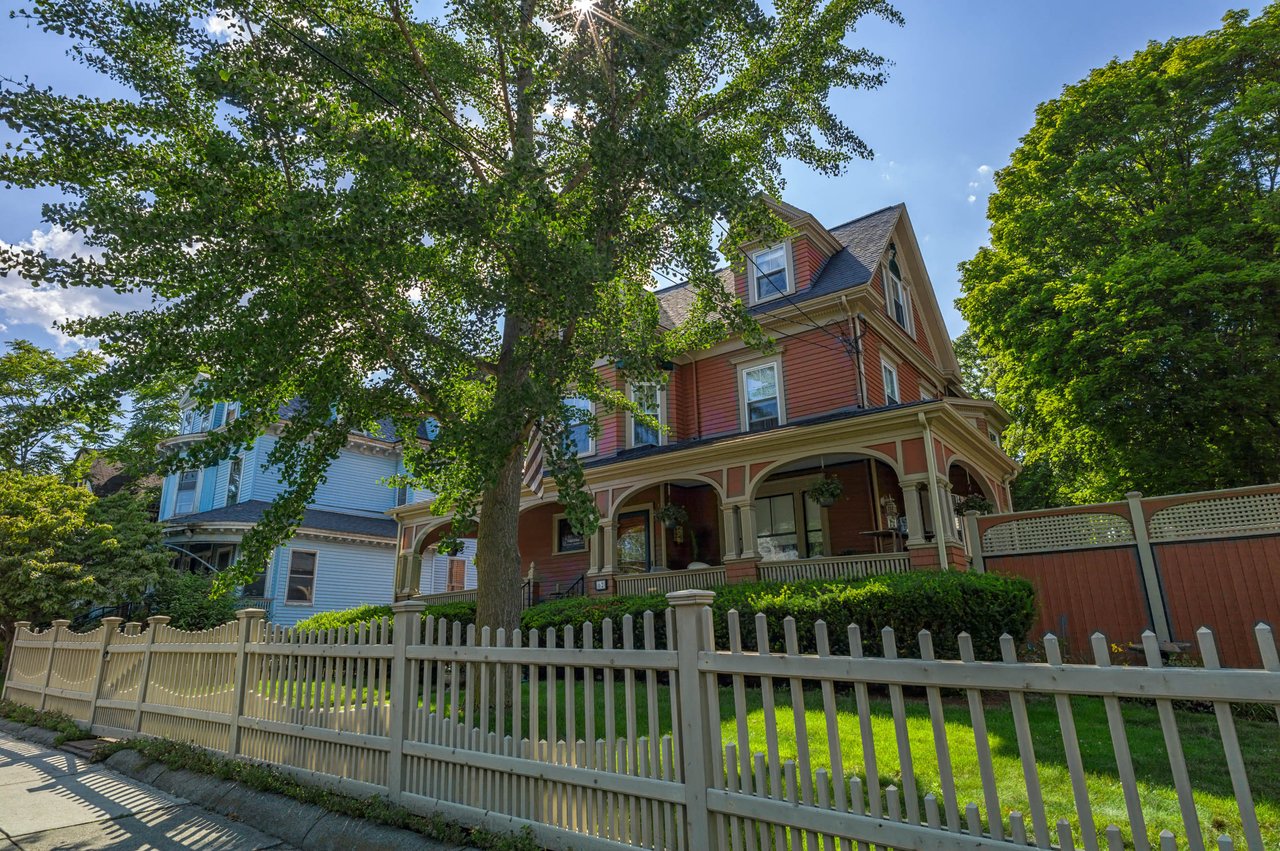
Trying to choose between a condo, a single-family, or a two-family in Hyde Park? If you want more space without leaving Boston, this neighborhood often delivers a suburban feel with city conveniences. In this guide, you’ll learn what each housing type looks like here, how yards and lot sizes compare, and what tradeoffs to expect around parking, transit, and upkeep. Let’s dive in.
Why Hyde Park’s mix matters
Hyde Park sits on Boston’s outer edge and feels more residential than many inner neighborhoods. You’ll see more detached homes, smaller multi-family buildings, and streets with yards and trees. The result is more interior and outdoor space per dollar when compared with central Boston.
Transit and driving shape daily life. The MBTA Fairmount Line and several bus routes serve the area, and many households keep a car for errands or commuting. If you want space while staying in the city, Hyde Park is worth a close look.
Single-family homes: what to expect
Single-family houses are common in Hyde Park. Many are early-to-mid 20th century Colonials, Capes, and Bungalows with wood-frame construction, porches, basements, and attics. Typical layouts offer 2 to 4 bedrooms on 1 to 2 stories, plus storage nooks.
Common styles and layouts
You’ll find classic New England details like gabled roofs and front porches. Lots are modest to medium in size, with room for gardening or play. Some homes include small attached or detached garages or a driveway.
Renovation and maintenance checkpoints
Many homes still have older mechanicals. Plan to evaluate heating systems (oil or gas), electrical panels, and insulation. Kitchens and baths may need updates, and older homes can include lead paint. A careful inspection helps you size the scope of work.
Who single-families fit
These homes work well if you want privacy, a yard, and control over your space. If you enjoy gardening, grilling, or simple projects, a single-family offers flexibility. Just budget time and cost for maintenance.
Parking and commute notes
Parking is often easier with single-families thanks to driveways or small garages. If you rely on transit, confirm your distance to Fairmount Line stations or bus routes. If you drive, note that road access to major arterials is straightforward from many streets.
Two-families: live and invest
Two-family houses are a major part of Hyde Park’s housing stock. Many are owner-occupied, with one unit rented for monthly income.
Typical setup and systems
Units function like apartments, sometimes with separate utilities. In older buildings, systems may be shared. Expect wood-frame construction, early-to-mid 20th century build dates, and separate entries.
Income and financing considerations
Rental income can help with monthly costs and, for some buyers, mortgage qualification. If you plan to rent, review local tenant protections, typical rents, and the building’s condition. Sellers should be ready to document rental history and any permits or code items.
Owner and investor checklist
- Review unit separations, safety features, and egress.
- Confirm utility metering and system age.
- Evaluate lease terms, deposits, and rent roll.
- Check for open permits or code violations.
Parking and tenant appeal
Off-street parking increases renter interest and simplifies winter. Proximity to bus routes or commuter rail can also improve demand for the rental unit.
Condos and small associations
Hyde Park’s condos often come from multi-family conversions or small townhouse-style developments. Large high-rise buildings are not typical here.
Where condos show up
You’ll see 2 to 6 unit conversions on quieter streets and small purpose-built communities near commercial corridors or transit nodes. Common areas tend to be simple, with modest shared amenities.
Fees, rules, and reserves
Condo fees typically cover exterior maintenance and snow removal. In some older buildings with common utilities, fees may include heat or hot water. Review HOA rules, reserve balances, and recent capital projects before you buy.
Fit for transit-first buyers
If you want lower maintenance and good access to the Fairmount Line or buses, a condo near a station may suit you. Just verify parking, guest policies, and any rental restrictions if you plan to rent later.
Resale and governance
Smaller associations live and die by good governance. Look for clear meeting notes, a steady reserve plan, and consistent resale history. Healthy reserves and documented maintenance help protect value.
Lot sizes and outdoor space
Hyde Park lots are generally larger than lots in central Boston, though not as large as many suburban parcels outside the city. Expect front and back yards that can handle gardening, lounging, or play.
What yards look like
Lot sizes vary block by block. Homes closer to the town center tend to have smaller lots, while streets near larger parks may offer more room. If a specific yard size matters, compare parcels on the same side of a street.
Green space nearby
Hyde Park borders significant public green spaces. Stony Brook Reservation offers trails and wooded areas, and sections of the Neponset River and its greenway run through and near the neighborhood. These corridors add options for walking, biking, and views.
Floodplain and insurance
Properties closer to river areas can face additional flood risk. It is smart to check flood maps and insurance needs early, especially if you are considering a finished basement or lower-level living space.
Getting around
The MBTA Fairmount Line connects Hyde Park and Readville to South Station, with bus routes linking to nearby subway lines and main corridors. Many households use both transit and a car. If you want a car-light lifestyle, consider condos or smaller homes near stations. If you plan to drive daily, confirm parking and driveway options.
Costs and carrying items to plan for
Older houses here often carry classic New England maintenance. Set your budget with the following in mind:
- Property taxes and assessments. Review city records for current assessments and tax rates when you compare homes.
- Heating and utilities. Many homes have boilers and radiators, with oil or gas systems. Ask about age, service history, and any conversions.
- Condo fees and reserves. For condo buyers, dues and reserve health shape monthly costs and resale appeal.
- Landlord responsibilities. Two-family owners manage maintenance, tenant relations, and code compliance.
- Insurance and flood risk. River-adjacent parcels may require additional coverage.
- Zoning and permits. For additions, ADUs, or multi-family changes, check city rules and permitting requirements before you plan upgrades.
Should you tour Hyde Park?
Tour Hyde Park if you want more space and outdoor access while staying inside Boston. Single-families offer privacy and yard room. Two-families add income potential and flexibility. Condos reduce maintenance and work well for transit-focused lifestyles.
If you want help weighing renovation scope, rental math, or resale strategy in Hyde Park, reach out. Our team brings a renovation-informed eye and clear, step-by-step guidance. Connect with Juan Murray to talk through your options and plan a smart tour strategy.
FAQs
Is Hyde Park more affordable than central Boston?
- Generally yes. Hyde Park tends to be priced lower than many inner neighborhoods, which draws first-time buyers and space-seeking households.
Are modern condo buildings common in Hyde Park?
- Large, full-amenity condo buildings are uncommon. Most condos are small associations or conversions, with a few townhouse-style developments.
Are two-family homes a good investment in Hyde Park?
- Many buyers choose two-families for rental income potential. Review rent levels, tenant rules, building condition, and utility setup before you commit.
How much yard space do Hyde Park homes offer?
- More than many inner-Boston neighborhoods. Single-families often include front and back yards, and the neighborhood sits near significant parks and greenways.
What inspections are important for Hyde Park properties?
- Standard building and pest inspections, plus heating system checks, oil tank history, and a permit and zoning review. For income properties, confirm unit separations and metering.
What is parking like in Hyde Park?
- It varies. Many single-family homes have driveways or garages, while multi-unit buildings and condos may offer limited or assigned parking.