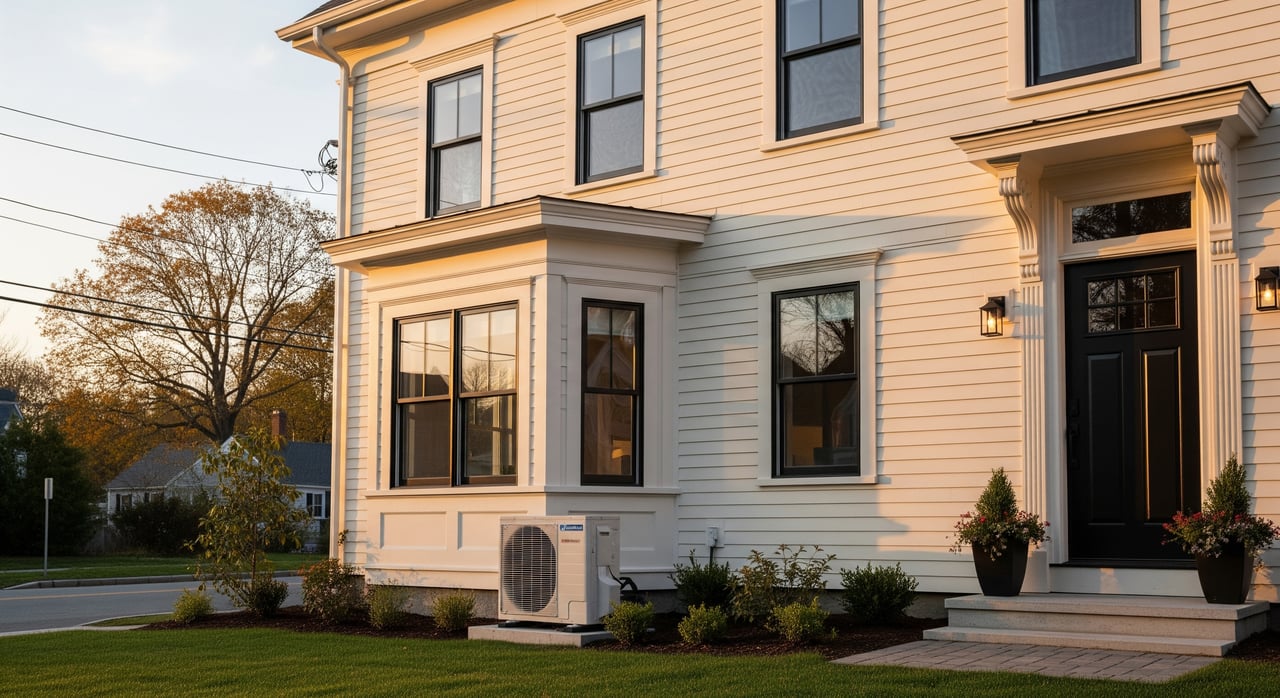
If winter drafts or rising utility bills have you eyeing upgrades, you are not alone. Many Roslindale homeowners want warmer rooms now and a smoother sale in spring. The good news is that you may not need to guess where to start. With the Mass Save program, you can get a plan, incentives, and financing to make smart improvements with confidence. Let’s dive in.
What Mass Save means in Roslindale
Mass Save is a statewide energy efficiency program run by a coalition of utilities and partners. It provides no cost home energy assessments, rebates for insulation and heating upgrades, and financing options. Because program details change and vary by utility, start by confirming that your utility participates and that you qualify.
If your bill is from Eversource or National Grid, you can review current offerings on the Mass Save website and your utility’s site, including Eversource and National Grid. Mass Save supports single family homes, many multifamily units, and some condo setups. Eligibility and incentives can differ for owner occupied versus rental units and for condos with shared systems.
Start with a no cost Home Energy Assessment
Your first step is a Home Energy Assessment. An assessor will walk through your home, review lighting and appliances, check thermostats, and identify air sealing and insulation opportunities. For deeper measures, they may recommend diagnostics like a blower door test or thermal imaging.
You will receive a written report that outlines recommended measures, estimated savings, and next steps to access rebates and participating contractors. Mass Save offers these assessments at no cost to eligible customers. To get on the schedule, request an appointment through the Mass Save site, then plan ahead since colder months book up quickly.
Insulation and air sealing basics
In older New England homes, air sealing and insulation usually deliver the biggest comfort increase for the lowest cost. Mass Save provides incentives for attic, wall, and basement or crawlspace insulation, often paired with air sealing. Diagnostic testing may be part of the approval process to verify leakage before and after work.
What to expect after the work: fewer drafts, more even temperatures room to room, and less strain on your heating system. Typical heating energy use can drop by roughly 10 to 30 percent in older, leaky homes. Your actual results will depend on the starting condition of your home and how you operate your systems.
Heat pump incentives that fit Boston winters
Modern cold climate heat pumps, both ducted and ductless mini splits, are designed for New England conditions. When sized and installed correctly, they can keep you comfortable through Boston’s cold season while reducing your reliance on oil or gas. Incentives are available for individual systems, whole home conversions, and heat pump water heaters.
Savings vary based on your prior system and home’s efficiency, but many households see space heating energy reductions in the 20 to 50 percent range. To explore models and performance guidance, review independent resources from ENERGY STAR. Then confirm current incentive amounts and installation requirements on the Mass Save website.
Financing and income eligible options
If you prefer to spread costs over time, Mass Save offers financing options, commonly through the HEAT Loan or partner programs. Terms, maximums, and interest rates change, so verify details directly with Mass Save before you sign a contract. Income eligible households may qualify for enhanced services that include higher or no cost measures, weatherization, and expedited replacements when equipment is failing.
You may also be able to layer state or federal incentives with Mass Save rebates. Federal tax credits and related guidance are updated periodically, so review current information from the U.S. Department of Energy Energy Saver and consult your tax advisor for specifics.
Permits, condos, and historic rules in Boston
Mechanical and HVAC work often requires permits and inspections. Before you schedule a heat pump or major HVAC upgrade, check permit requirements with City of Boston Inspectional Services. If your property is in a condo association, confirm exterior equipment rules with your HOA early.
If your home sits in a historic district or has exterior guidelines, review requirements with the Boston Landmarks Commission. Many approvals focus on unit placement, line sets, and visibility from the street. Addressing these details upfront can save time later.
Step by step: your Roslindale timeline
Verify your participating utility and schedule a Home Energy Assessment. Appointments are usually available within a few weeks, but winter can be busy.
Review your HEA report and decide on measures. Ask about any required diagnostics for insulation or air sealing incentives.
Get quotes from Mass Save participating or otherwise qualified contractors for each measure you plan to complete. Confirm licenses, insurance, and references.
For insulation and air sealing, expect 2 to 8 weeks from contractor selection to installation in most cases. Heat pump installations can range from a few weeks to multiple months, especially for whole home conversions that need design and permitting.
After installation, your contractor typically submits rebate paperwork. Keep copies of the HEA report, invoices, and confirmations. Rebate processing can take weeks to months, so set expectations accordingly.
Choosing the right contractor
Use contractors who are familiar with Mass Save requirements and cold climate work. Look for manufacturer training, NATE certification, and strong local references. When you compare proposals, request a written scope, equipment model numbers, warranty terms, and a clear timeline that includes permitting and inspections.
For broader electrification or program updates, you can also monitor resources from MassCEC. Their insights complement Mass Save and highlight statewide initiatives that may intersect with your plans.
Documentation to keep for resale
Treat your energy upgrades like a mini renovation. Organized paperwork makes your home easier to sell and can support buyer confidence.
- Home Energy Assessment report and any diagnostic test results
- Contractor quotes, final invoices, and warranty documents
- Rebate approvals, submission receipts, and final confirmations
- Before and after photos of insulation and new equipment
- Any estimated post upgrade energy usage or cost savings provided
When you list, provide this packet to your agent and buyers. It can help quantify benefits, reduce questions, and keep your deal moving.
Comfort, costs, and buyer appeal
The first benefit you will notice is comfort. Air sealing and insulation reduce drafts and cold spots, which matters in Boston’s winter months. With a right sized cold climate heat pump, you can maintain steady indoor temperatures while easing your dependence on fossil fuels.
On operating costs, actual savings depend on your home’s starting point and how you run your systems. The ranges are useful for planning, but your HEA report and contractor design will give you the best target. For resale, documented upgrades, lower estimated utility costs, and modern systems can make your home more attractive and may accelerate buyer decisions.
Timing tips for winter projects and spring listings
If you are selling this spring, aim to complete insulation and air sealing in winter or early spring so you can market the home with fresh improvements. Heat pumps can take longer. If timing is tight, consider a phased plan with insulation now and a heat pump design queued up with transferrable quotes and HEA documentation.
If you are staying put, winter is still a good time to start. You will feel the comfort boost sooner, and your documentation will be complete for any future sale.
Quick checklist
- Confirm your utility and review current incentives on the Mass Save site.
- Schedule a no cost Home Energy Assessment and ask about diagnostics.
- Gather 12 months of utility bills to track savings after the work.
- Get multiple quotes from qualified, participating contractors.
- Verify permits with City of Boston Inspectional Services.
- If in a condo or historic district, confirm rules early.
- Keep all reports, invoices, and rebate confirmations for resale.
- If income eligible, ask about enhanced services and timelines.
Ready to map your upgrade plan to your home goals, whether comfort now or a stronger spring listing? Reach out to a local advisor who understands Roslindale homes and buyer expectations. If you want help prioritizing projects and packaging documentation for sale, connect with Juan Murray.
FAQs
Is the Mass Save Home Energy Assessment really free?
- Yes, Mass Save offers HEAs at no cost to eligible customers. Confirm your eligibility and schedule through the Mass Save website.
Will a cold climate heat pump work in Boston winters?
- Yes, modern cold climate models are designed for low temperatures, but proper sizing and install quality matter. Review guidance from ENERGY STAR and confirm design with your contractor.
Do I have to use a participating contractor for rebates?
- Some incentives require participating contractors, while others allow qualified installers with verification. Always confirm rebate conditions on the Mass Save site before you hire.
How long do rebates take to arrive after installation?
- Processing times vary by program and season. Plan for weeks to months and keep all submission receipts and confirmations for your records.
What permits are needed in Roslindale for HVAC work?
- Heat pumps and most mechanical work require permits and inspections in Boston. Verify requirements with City of Boston Inspectional Services and follow your contractor’s lead on scheduling.
What should condo owners check before installing a heat pump?
- Review HOA rules for exterior equipment placement and noise, then confirm any historic district requirements with the Boston Landmarks Commission. Coordinate early to avoid delays.