Choosing how to finance a home in Jamaica Plain can feel like a second full-time job. You are trying to balance cash on hand, monthly payment comfort, and the pressure of competing offers. The good news: once you understand how NACA, MassHousing, and conventional loans work in JP, the best path usually becomes clear. This guide breaks down the trade-offs so you can save money without hurting your chances in a competitive market. Let’s dive in.
Quick snapshot: the three paths
NACA is a nonprofit program that advertises no down payment, no PMI, and below-market fixed rates for qualified buyers who complete required workshops and counseling. It focuses on overall payment readiness and has program-specific steps you must finish before offering.
MassHousing is a Massachusetts lender that partners with local lenders to offer low-down-payment mortgages, access to down payment assistance, and typically more favorable mortgage insurance than standard conventional mortgages. Some products require homebuyer education.
Conventional loans are issued by private lenders and include first-time buyer options that allow as little as 3 percent down if you qualify. PMI is common with down payments under 20 percent, and strong pre-approvals are often viewed as competitive by sellers.
What matters most in JP
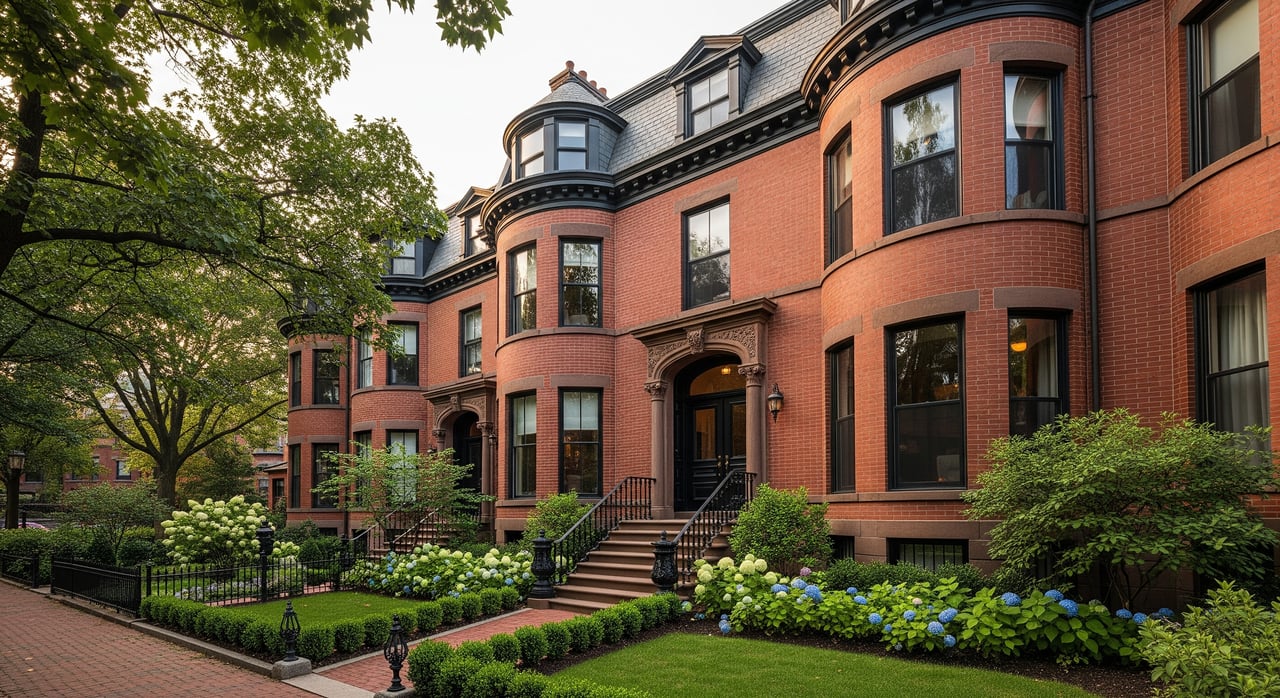
JP is a desirable, transit-friendly Boston neighborhood with many condos and two- or three-family homes. Inventory can move quickly, and well-priced homes may see multiple offers. In that setting, sellers lean toward offers that feel certain and fast.
Your financing choice affects how your offer is perceived. A fully documented conventional or strong MassHousing pre-approval often reads as predictable to listing agents. NACA can work well for affordability, but only if you have completed NACA certification before you write offers, and the property meets program standards.
Down payment: how much cash upfront
- NACA: Advertises 0 percent down. That is a clear win if your primary goal is to minimize upfront cash, as long as you are fully certified before offering.
- MassHousing: Common options include 3 percent or 5 percent down, sometimes paired with down payment assistance or second-mortgage support. This can bridge the gap if you have some savings but need help.
- Conventional: As low as 3 percent down for eligible first-time or income-qualified buyers, and up to 20 percent or more if you want to avoid PMI from day one.
If you are short on cash, NACA and MassHousing can bring homeownership within reach sooner. If you have savings and want maximum flexibility in a bidding war, conventional can help you look stronger to a seller.
Closing costs and PMI: what shapes your payment
- NACA: Markets no borrower closing costs for its program fees and does not charge PMI. Expect some third-party or municipal costs, so review your fee sheet to see what is covered and what is not.
- MassHousing: Closing costs are similar to conventional loans, though assistance programs and allowed seller credits can reduce what you bring to close. Mortgage insurance is often priced more favorably than standard PMI.
- Conventional: Plan for closing costs of roughly 2 to 5 percent of the purchase price, depending on the lender, loan size, and credits. PMI applies under 20 percent down, but can be canceled as you build equity.
For many first-time buyers, the combination of low down payment and manageable mortgage insurance is what makes or breaks the monthly budget. NACA removes PMI entirely. MassHousing aims to make MI less expensive than standard options. Conventional offers the most lender options and the long-term option to remove PMI once your equity grows.
Speed to close: why timing wins bids
- NACA: The front-end timeline may be longer due to the mandatory workshop, counseling, and documentation process. If you are NACA-Certified before home shopping, you can move forward after an accepted offer, but the up-front steps can take weeks or months, depending on your readiness.
- MassHousing: Once you have a pre-approval, the closing timeline looks similar to conventional, often about 30 to 45 days, depending on appraisal and underwriting.
- Conventional: Many lenders in Boston can close within 30 to 45 days with complete documentation. Some can move faster with strong files and responsive appraisers.
If you plan to use NACA in JP, start early. Arriving with certification in hand can transform how your offer is received. If you need to move fast on a hot listing, MassHousing or conventional may streamline the path to closing.
Property condition and condo details in JP
NACA emphasizes property standards and may require that certain repairs be completed before closing. Program-specific inspections or repair procedures can add steps and time. That can be fine if the seller is cooperative and the home needs only basic fixes, but it can complicate a tight timeline.
MassHousing and conventional loans typically follow standard appraisal and property standards. Significant defects can still trigger repairs or escrows. In JP’s condo-heavy market, you also need to confirm whether the building meets lender and investor standards for warrantability. Items like owner-occupancy ratios, reserve levels, and project approvals affect eligibility.
If you are eyeing a condo with uncertain warrantability or a multi-family with deferred maintenance, talk to your lender and agent early. Aligning your program choice with the property type and its condition protects your timeline.
Offer strength in multiple-offer situations
Sellers and listing agents look for certainty of closing, predictable timelines, and minimal surprises. Here is how offers often stack up:
- Conventional with strong documentation: Often seen as reliable because lenders and agents know the process and timing.
- MassHousing with a local participating lender: Typically competitive when paired with a clean, current pre-approval.
- NACA: Can succeed when the buyer is already NACA-Certified, and the seller understands the program. Some agents perceive it as slower or more conditional because of the required steps and repair guidelines, so clear communication is key.
In JP, your strategy should match the property’s competitiveness. For hot listings, conventional or MassHousing pre-approvals may give you an edge. For homes with longer days on market, NACA’s affordability can shine without costing you the deal.
Which program fits your situation
Choose NACA if:
- You need to minimize upfront cash outlay and monthly PMI payments.
- You can complete certification before shopping.
- You are flexible on the timeline and can target listings where sellers will engage in repairs if needed.
Choose MassHousing if:
- You want a low-down-payment option with more favorable MI than a standard conventional loan.
- You qualify for assistance and can meet any education requirements.
- You want a pre-approval that most Boston agents recognize and treat like conventional.
Choose Conventional if:
- You want the broadest lender choice and the strongest perception in multiple offers.
- You can bring at least 3 percent down and handle standard PMI until you reach the equity needed for removal.
- You value speed, a predictable process, and flexible structuring with credits and reserves.
How to get ready in JP
-
Decide your path early. If NACA is your route, complete the workshop, counseling, and certification before seriously touring. If MassHousing or conventional is your target, secure a full, current pre-approval with a lender active in Boston.
-
Tune your pre-approval letter. Ask your lender to show the program type and typical timeline. Make sure any conditions are realistic for the property type you want.
-
Pre-check condo or multi-family fit. For condos, verify warrantability and association documents early. For multi-family, discuss repair sensitivity with your lender so there are no surprises after appraisal.
-
Plan your offer mechanics. Use realistic inspection windows, a clear approach to repairs, and, where allowed, a larger earnest money deposit to signal commitment. If you need help with costs, consider seller credits rather than unfamiliar program terms.
-
Match the program to the listing competitiveness. Use conventional or MassHousing for speed when a listing is in high demand. Use NACA or MassHousing to stretch your dollars when a property is less competitive, or your timeline is flexible.
Common pitfalls to avoid
- Starting NACA after you find a home. Certification can take weeks or months; begin early so your offer reads as ready.
- Ignoring the property condition. NACA’s repair process can add time. Even conventional and MassHousing can require fixes or escrows for major defects.
- Overlooking condo rules. Non-warrantable condos limit financing choices and can slow or block approvals.
- Weak paperwork. A vague or stale pre-approval hurts you in multiple-offer scenarios.
Why a local, renovation-informed team helps
In JP, the details of a building’s condition or a condo’s budget can make or break financing. A team that understands construction, inspection strategy, and program requirements can help you target homes that align with your loan and your timeline. That is especially important if you plan to use NACA or MassHousing, since property standards and documentation matter.
If you want a practical plan to save money without sacrificing the right home, let’s talk. We will help you compare programs, pressure-test timelines, and tailor your offer so it lands well with JP listing agents. Ready to get started with a game plan that fits your budget and the neighborhood? Connect with Juan Murray for a no-pressure consultation.
FAQs
Can NACA offers win multiple-offer situations in Jamaica Plain?
- Yes, especially if you are fully NACA-Certified before offering and your agent communicates the process clearly. In very hot markets, sellers may still prefer conventional or cash-for-speed.
Are there income limits for NACA and MassHousing in Boston?
- MassHousing programs often have income limits for certain products and assistance. NACA targets low- and moderate-income buyers, with eligibility determined by underwriting and counseling completion. Check current program terms.
Will Jamaica Plain condos qualify under these loan types?
- It depends on the building’s warrantability and documentation. Many loans require a warrantable condo, and some projects may not qualify without additional conditions.
How long does NACA certification take before shopping in JP?
- It varies from weeks to months based on your preparedness, document submission, and workshop or counseling schedules. Start early to stay competitive.
Does NACA really eliminate closing costs for JP buyers?
- NACA advertises no borrower closing costs for its program fees and no PMI, but you may still have third-party and local recording costs. Review your loan estimate to see what remains.