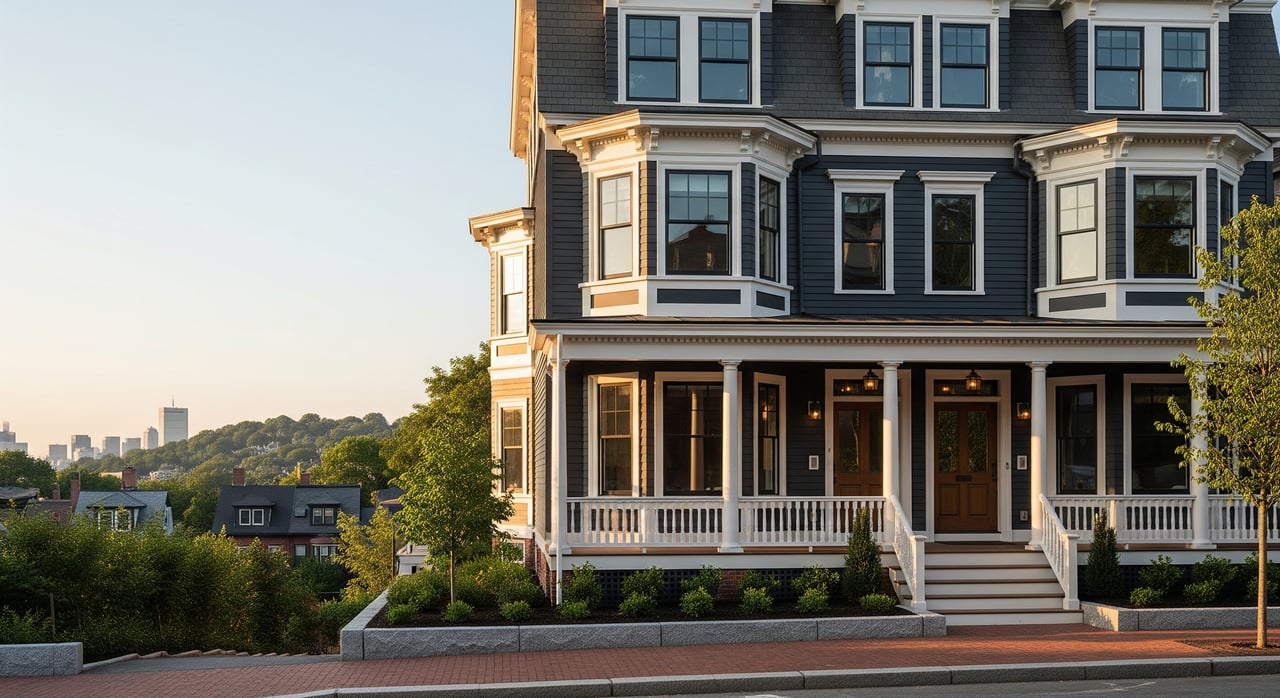
Thinking about buying a triple-decker in Roslindale but not sure where to start? You are not alone. These classic three-family homes can offer space, rental income, and long-term upside, yet they also come with older-building quirks and rules you need to understand. In this guide, you will learn how triple-deckers are built, what to inspect, how financing works, and when a condo conversion might make sense so you can move forward with confidence. Let’s dive in.
What a triple-decker is
A Boston triple-decker is a three-story, wood-framed building with one dwelling unit per floor. Most were built between the late 19th and early 20th centuries. In Roslindale, you will often see stacked porches, bay windows, wood clapboard or shingles that may have later vinyl siding, and narrow lot footprints that make efficient use of space.
Roslindale’s location and transit access make these buildings attractive to buyers who plan to live in one unit and rent the others. You are close to the Arnold Arboretum, village shops and dining, and MBTA options that connect you to greater Boston. Local pricing and rent levels shift with the market, so you should review current Roslindale listings and rental comps when you get serious.
Typical layouts and living experience
Most triple-deckers offer one full apartment per floor with 2 to 3 bedrooms. A common layout places a living room up front with bay windows, a dining area in the middle, and a kitchen with a rear entry or small mudroom at the back. Bathrooms tend to be smaller than in newer homes.
You may find variations like an owner’s duplex that spans two floors or an attic conversion with different ceiling heights. Basements usually hold mechanicals and storage, and many properties include a small shared yard or rear outdoor space.
Building systems to evaluate
Older Roslindale triple-deckers can perform well when properly upgraded. The key is knowing where to look and what to budget.
Heating and hot water
- Many buildings started with steam or hot-water radiators. A lot have been upgraded to gas-fired boilers, but some oil systems remain.
- Domestic hot water may be from a central tank in the basement or individual tanks in each unit.
- Ask whether each unit has separate controls and meters. Separation simplifies living and landlording.
Electrical and plumbing
- Older homes can have undersized panels. Expect to evaluate 60 to 100 amp service and whether a 200 amp upgrade is needed for modern loads or separate metering.
- Knob-and-tube wiring may still be present in the oldest buildings, though many have partial or full updates.
- Original galvanized plumbing can persist in places. Many owners have replaced with copper or PEX. Drain and sewer lines under the house deserve careful inspection.
Roof, porches, and foundation
- Flat or low-slope roofs need attention to drainage and membrane condition. Ponding and aging membranes are common issues.
- Exterior wood rot shows up on porches and bay windows. Porch structure and railings are frequent repair items.
- Foundations may be stone or brick, sometimes with later concrete work. Look for settlement, mortar deterioration, and signs of water intrusion in the basement.
Insulation and windows
- Many triple-deckers were built with minimal insulation. Air sealing and attic insulation are common energy upgrades.
- Replacement windows are typical, but quality varies. Check for drafts and proper installation.
Inspections that matter
A thorough inspection is essential with older wood-frame housing.
- Hire a multi-family inspector experienced with Boston triple-deckers. Ask specifically about porches, roof systems, and foundations.
- Inspect mechanicals, electrical service, plumbing risers, and drains. Consider a sewer scope if there are any signs of blockage or backup.
- Verify the legal number of units, kitchens, and bedrooms, and confirm proper egress from each unit. Smoke and CO detector placement should meet current code.
- Test for lead paint and asbestos where indicated. Pre-ban buildings may have lead on painted surfaces and asbestos on pipe insulation, older boilers, or floor tiles.
- Pull municipal records for permits, violations, and citations. Boston Inspectional Services Department maintains these records for code enforcement and permits.
Financing a three-family in Roslindale
Financing for 2 to 4 unit properties works differently than for single-family homes, especially if you plan to live in one unit.
Owner-occupied options
- Conventional, FHA, and VA programs allow financing for owner-occupied multi-unit properties, each with specific underwriting rules.
- Owner occupants often benefit from lower down payment options or more favorable terms compared to non-owner investors.
Using rental income to qualify
- Lenders can consider expected rental income from the other units when calculating your qualifying income. Documentation and lender guidelines apply.
- Requirements vary by lender and loan program. Get preapproved with a mortgage professional who understands Boston multi-unit underwriting.
Insurance and reserves
- Insurance for multi-family homes differs from single-family policies. If you later convert to condos, a master policy and reserves are part of the setup.
- Build a reserve for capital projects like roof replacement, porch repair, heating systems, and electrical upgrades.
Landlord basics in Massachusetts
If you plan to rent out units, you must follow state and local rules.
- Massachusetts has robust tenant protections and specific eviction procedures. Know the process before you buy.
- The state lead law sets requirements when renting to families with young children. Testing, abatement, and clearance may be required.
- Habitability and maintenance standards are strict, and the Boston Inspectional Services Department enforces housing code.
- There is currently no rent control statewide. Even without rent control, tenant rights and timelines matter, so plan accordingly.
House-hack math: what to consider
Triple-deckers in Roslindale often work for house-hackers because one unit per floor creates clear separation. To test your scenario, focus on the basics.
- Compare projected rent from the two non-owner units with your mortgage, taxes, insurance, utilities you cover, and reserves.
- Run conservative vacancy and repair assumptions. Older buildings need periodic capital work.
- Factor in whether utilities are separately metered. Lack of separation can affect operations and your monthly expenses.
- Consider whether you want to manage tenants yourself or hire a property manager.
Condo conversion vs. keeping it intact
You can keep a three-family as a single property or convert to condominiums. Each path has trade-offs.
How a conversion works
- Massachusetts Condominium Law governs conversion. An attorney prepares the master deed, declaration, bylaws, and condo plan with unit allocations.
- You record the documents with the Suffolk County Registry of Deeds. Local permits and inspections may apply.
- Conversions often trigger a review of fire separation, egress, and smoke and CO detectors. Some situations may require additional life-safety upgrades.
- Lenders and buyers typically expect clear utility separation or a defined cost allocation. Utility work can be costly and time-consuming.
Pros and cons of converting
- Pros: You can sell individual units, widen the buyer pool, and potentially unlock more value than a single sale. Ongoing unit-level maintenance shifts to new owners.
- Cons: Legal, surveying, utility separation, and insurance setup add cost and time. Lender approval for the condo project can affect marketability and timing, and HOA governance adds complexity.
Pros and cons of staying multi-family
- Pros: Centralized management, simpler mechanicals, and flexibility to house-hack or hold as an income property. Lower immediate legal costs.
- Cons: A whole-building sale targets a smaller buyer pool. You retain landlord responsibilities and long-term maintenance obligations.
Key decision points in Roslindale
- Study buyer demand. In some cycles, condo buyers outnumber multi-family buyers, while investor interest can rise in others.
- Compare conversion costs to projected sale proceeds from individual unit sales. Include a timeline and financing plan for the work.
- Keep life-safety and utility separation requirements front of mind. These directly affect cost, schedule, and resale.
Practical buyer checklist
Use this step-by-step list as you evaluate Roslindale triple-deckers.
Pre-offer
- Review Boston Inspectional Services Department records for permits, violations, and prior code actions.
- Order a comprehensive multi-family inspection that covers structure, roof, porches, mechanicals, electrical, and plumbing.
- Test for lead paint and asbestos where indicated.
- Verify the legal number of units and check for any unpermitted alterations, additional kitchens, or egress issues.
- Request utility bills and maintenance records to understand operating costs.
- Confirm the number and status of existing tenants, leases, rent roll, and security deposits.
- Consult a lender early about multi-unit loan options and down payment requirements.
Post-offer to closing
- Budget reserves for capital projects like roof work, porch repair, boilers, electrical upgrades, and insulation.
- If considering a condo conversion, engage an attorney and surveyor promptly and plan for legal and recording costs.
- For rentals, ensure compliance with lead law and habitability requirements before leasing.
Local fit and next steps
Roslindale offers a mix of classic housing, green space, and village amenities that make triple-deckers a practical choice for owners who want both community and value. If you bring a clear plan for inspections, financing, and operations, you can set yourself up for steady income and long-term upside.
If you want a second set of eyes on building condition, renovation scope, and house-hack math, we are here to help. Reach out to Juan Murray for renovation-informed guidance, local comps, and a step-by-step plan tailored to your goals.
FAQs
What is a triple-decker in Boston and why are they common in Roslindale?
- A triple-decker is a three-story, wood-framed building with one unit per floor, mostly built from the 1880s to the 1930s, and Roslindale has many due to historic demand for economical housing near transit and village amenities.
Are Roslindale triple-deckers good for first-time buyers who plan to house-hack?
- Often, yes, because you can live in one unit and rent the others, but you should evaluate rents, vacancy, mortgage coverage, and your comfort with landlord responsibilities.
What inspections should I prioritize when buying a Roslindale three-family?
- Get a multi-family inspection focused on roof and porches, mechanicals, electrical and plumbing, plus lead and asbestos testing and verification of legal units and egress.
How does financing work for an owner-occupied three-family in Boston?
- Conventional, FHA, and VA programs can finance 2 to 4 unit properties for owner-occupants, and lenders may count projected rental income from other units when you qualify.
What should I know about condo conversions in Roslindale?
- Conversion follows Massachusetts Condominium Law, requires legal documents and recordation, and may trigger life-safety reviews and utility separation that add cost and time.
Does Massachusetts have rent control that affects Roslindale triple-deckers?
- There is currently no statewide rent control, but tenant protections are robust and you must follow state statutes and local housing code requirements.