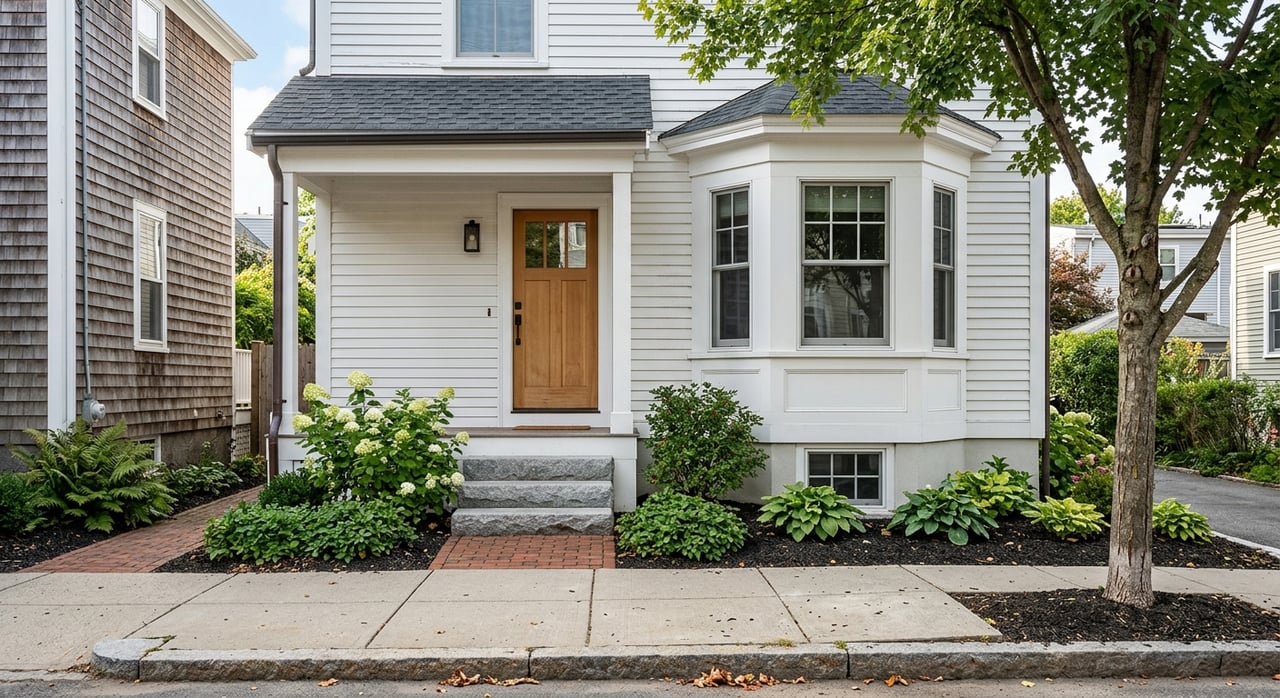
Wondering if Jamaica Plain lives up to the hype? If you are thinking about buying, renting, or selling in JP, you probably want more than a list of parks and restaurants. You want to know how the neighborhood actually feels day to day, how people get around, and what kind of lifestyle it supports. This guide will help you picture real life in Jamaica Plain so you can decide whether it fits the way you want to live. Let’s dive in.
Jamaica Plain at a Glance
Jamaica Plain, often called JP, is one of Boston’s most dynamic neighborhoods. The City of Boston describes it as a classic streetcar suburb surrounded by major green spaces like the Emerald Necklace, Arnold Arboretum, Franklin Park, and Jamaica Pond. That combination gives the area an urban feel with an unusually strong connection to nature.
JP also has a strong sense of local identity. Boston notes that the neighborhood includes a strong Latino population, young families, seniors, pets, nonprofit groups, community associations, crime watches, and a growing LGBTQ community. In everyday terms, that often translates to a neighborhood that feels active, rooted, and community-driven.
JP Feels Like Several Neighborhoods
One of the biggest things to understand about Jamaica Plain is that it does not have just one personality. Boston identifies distinct pockets including Hyde Square, Jackson Square, Centre/South, Forest Hills, Sumner Hill, Stonybrook, and Egleston Square. If you move here, your day-to-day experience can vary depending on which part of JP you call home.
Some areas feel more centered on main-street activity, while others feel more tucked into residential blocks or closer to larger parks and transit hubs. That is one reason Jamaica Plain appeals to such a wide range of buyers and renters. You are not choosing one fixed lifestyle as much as choosing the version of JP that fits you best.
Centre Street Shapes Daily Life
For many residents, Centre Street is the neighborhood’s main spine. JP Centre/South Main Streets describes it as the hub of activity, and that matches how many people experience the area. If you spend time in Jamaica Plain, chances are you will end up on or near Centre Street for coffee, errands, dinner, or a casual walk.
This main-street setup is part of what makes JP feel livable. You can often combine everyday tasks with time outdoors or a quick stop at a local business. Instead of feeling spread out, many parts of the neighborhood feel connected by routines that bring people back to the same local corridors.
Green Space Is Part of the Routine
In many Boston neighborhoods, parks are a nice extra. In Jamaica Plain, green space is part of how people structure their week. That is one of the clearest differences you notice when you spend real time here.
Jamaica Pond anchors the neighborhood
Jamaica Pond is more than a scenic backdrop. Boston Parks says people use it for concerts, children’s programs, theater performances, rowing, sailing, fishing, running, and biking. It is easy to picture the pond becoming part of your routine, whether that means a morning walk, an after-work loop, or a weekend stop with friends or family.
The pond also carries real physical presence. Boston notes that it was established in 1891 and is the largest and purest body of water in Boston, fed by natural springs. That gives this part of JP a calm, open feel that can be hard to find in a dense city neighborhood.
The Arboretum adds a bigger nature layer
The Arnold Arboretum gives Jamaica Plain another dimension. It is a 281-acre preserve that is free and open daily from dawn to dusk, with more than 15,000 accessioned plants and a visitor center at 125 Arborway. For residents, that means access to a major landscape that works for quick walks, longer outings, and seasonal change.
Living near the Arboretum can make Boston life feel a little more breathable. You still have the city around you, but you also have a place where you can reset without needing to leave the neighborhood.
Trails and greenways support everyday movement
JP’s outdoor access is not limited to destination parks. Southwest Corridor Park runs through the area with a 4.1-mile corridor, about 6 miles of trails, plus playgrounds, courts, amphitheaters, and spray decks. That kind of infrastructure makes walking, biking, and outdoor time feel practical rather than occasional.
Boston also points to places like Allandale Woods, Bussey Brook, and Nira Rock as part of Jamaica Plain’s Urban Wilds. Bussey Brook is especially notable because a stabilized stonedust path connects Forest Hills Station to South Street. Small details like that matter when you are trying to imagine what daily movement through the neighborhood actually feels like.
Food, Errands, and Local Businesses Matter Here
Jamaica Plain is not just a place where people sleep between commutes. It has a real neighborhood business culture, especially along Centre and South streets. Boston Main Streets describes Centre Street as having a vast restaurant scene, and the area’s business districts are meant to support both daily errands and social time.
JP Centre/South’s directory shows the range you can find nearby. Current neighborhood businesses include Tres Gatos, Fiore’s Bakery, J.P. Licks, Juicygreens, The Jeanie Johnston, and Monumental Market. That variety helps explain why weekends in JP often revolve around staying local rather than heading somewhere else.
The commercial life here also feels intentionally neighborhood-scale. According to local main-street materials, the district supports shopping, arts, and advocacy while helping local businesses thrive. For you as a resident, that can mean a more personal, familiar feel in the places you visit most often.
Arts and Community Show Up in Everyday Life
Jamaica Plain has a strong cultural layer that adds to its identity. Boston highlights the Eliot School of Fine and Applied Arts and the Footlight Club, which it calls America’s oldest community theatre. These are not just nice facts for a brochure. They help explain why JP often feels engaged and expressive rather than purely transactional.
That matters if you want a neighborhood with visible local life. In JP, commerce, arts, and community activity overlap in a way that makes the neighborhood feel lived-in and participatory.
Getting Around in Jamaica Plain
Transportation is a big part of what makes JP work for so many people. At the same time, it helps to set expectations clearly. Jamaica Plain is transit-oriented and bike-friendly in many areas, but it is still very much an urban Boston neighborhood.
Transit is useful, but not always effortless
Boston’s Route 39 corridor serves Jamaica Plain and connects riders toward Forest Hills, the Orange Line, and Commuter Rail after Heath Street. That gives many residents practical access to transit for commuting and daily errands. If you like combining walking with public transportation, JP can be a strong fit.
Still, the experience is not always seamless. Boston’s Centre/South Transportation Action Plan notes that Route 39 is heavily used and often experiences delay because of congestion. So while transit is a real strength here, it comes with the normal friction of city travel.
Biking is increasingly realistic
For buyers and renters who want alternatives to driving, Jamaica Plain has become more bike-friendly. Boston added a contraflow bike lane on Boylston Street to create a two-way connection between the Southwest Corridor Bike Path and Centre Street. The city also added separated and standard bike lanes on Green Street, Seaverns Avenue, and Gordon Street to better connect residences and daily destinations in JP Center.
Boston says these projects are part of a broader effort to put residents within a 3-minute walk of a safe and connected bike route. That does not mean every trip will feel simple, but it does mean biking is increasingly part of the neighborhood’s everyday transportation mix.
What the Lifestyle Tradeoffs Really Are
Every neighborhood has tradeoffs, and Jamaica Plain is no different. The upside is clear: strong park access, lively local business districts, useful transit connections, and multiple neighborhood pockets with their own feel. If you want a Boston neighborhood where you can walk to green space and still stay connected to city life, JP stands out.
The tradeoff is that this is not a quiet, car-centered suburb. Boston’s planning materials make clear that congestion affects parts of the neighborhood, especially around the Centre Street corridor. If you expect easy parking and effortless driving everywhere, JP may feel more urban than you want.
For many people, though, that balance is exactly the appeal. You get density, character, and convenience without giving up access to water, trees, trails, and major parks.
Who Usually Connects With Jamaica Plain
Jamaica Plain often appeals to people who want more neighborhood texture in their daily life. That can mean being close to a main street, having parks within easy reach, and feeling like your routines happen in places with a strong local identity.
It can also appeal to buyers who want flexibility. Because JP includes several distinct pockets, you may be able to find a block or sub-area that better matches how you live, whether you prioritize transit access, outdoor space, or being near the center of neighborhood activity.
If you are buying in Jamaica Plain, it also helps to look beyond surface charm. Different homes and building types can offer very different maintenance needs, renovation potential, and long-term value. That is where local guidance matters, especially in a neighborhood with older housing stock and a lot of variation from block to block.
Why Local Insight Matters in JP
Jamaica Plain is easy to like on a first visit. The harder part is understanding which part of the neighborhood fits your goals, how a specific home compares to the surrounding market, and where lifestyle expectations line up with reality. In JP, those details matter because the neighborhood is nuanced, not one-note.
Whether you are buying your first condo, looking for more space, or preparing to sell, it helps to work with someone who understands both the neighborhood story and the housing itself. That includes how location, condition, layout, and renovation potential can shape value in a place like Jamaica Plain.
If you are thinking about making a move in JP, Juan Murray can help you evaluate the neighborhood with clear, practical guidance and a local perspective.
FAQs
What is daily life like in Jamaica Plain, Boston?
- Daily life in Jamaica Plain often centers on a mix of neighborhood business districts, parks, and walkable routines, especially around Centre Street, Jamaica Pond, and other green spaces.
What are the main areas within Jamaica Plain?
- Boston identifies several distinct parts of Jamaica Plain, including Hyde Square, Jackson Square, Centre/South, Forest Hills, Sumner Hill, Stonybrook, and Egleston Square.
What outdoor spaces do residents use in Jamaica Plain?
- Residents have access to Jamaica Pond, the Arnold Arboretum, Southwest Corridor Park, Forest Hills Cemetery, and Urban Wilds areas such as Allandale Woods, Bussey Brook, and Nira Rock.
Is Jamaica Plain good for commuting without a car?
- Jamaica Plain can work well if you like walking, biking, or combining local trips with transit, especially with access to Route 39, Forest Hills connections, and expanding bike infrastructure.
Is Jamaica Plain more urban or suburban?
- Jamaica Plain is generally more urban than suburban, with dense local amenities, active commercial corridors, and some congestion, but it also offers exceptional access to parks and green space.
What makes Jamaica Plain different from other Boston neighborhoods?
- Jamaica Plain stands out for its combination of major green spaces, neighborhood-scale business districts, arts and community institutions, and distinct sub-areas that give the neighborhood more than one identity.