
· By Juan Murray
The Buyer Representation Agreement in Massachusetts
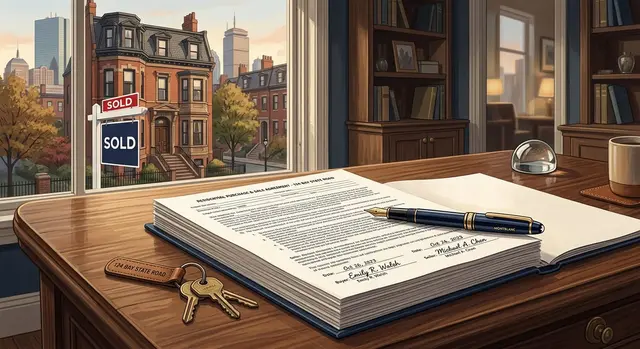
Since August 17, 2024, agents who belong to an MLS must have a signed written agreement with a buyer before touring a home with them, in person or by live video. The agreement spells out the agent's services, how the agent is paid, and how long the relationship lasts. Visiting an open house on your own, or asking an agent about their services, does not require one.
Do home buyers in Massachusetts have to sign a buyer representation agreement before seeing a home?
Yes, if the agent belongs to an MLS, as nearly all Greater Boston agents do. If you're getting ready to look at homes in Jamaica Plain, Roslindale, Hyde Park, Dorchester, or anywhere else in Greater Boston, your agent will ask you to sign a written agreement before the first tour. That's not new paperwork born of red tape. It's the result of real changes in how buyer representation works in Massachusetts, changes that took effect in August 2024 and shifted some long-standing assumptions about how agents get paid. Before you sign, also understand what you'll owe at the closing table: see closing costs for Boston buyers. And for the full inspection rights you have as a buyer under Massachusetts law, see what the Massachusetts home inspection law means for buyers.
Key Takeaways
- Since August 17, 2024, MLS-member agents must have a signed written agreement with a buyer before touring a home, in person or by live video.
- Visiting an open house on your own, or asking an agent about their services, does not require an agreement.
- The agreement must state the agent's compensation as a specific amount, percentage or rate, and compensation is negotiable and not set by law.
- Know the agreement's length, how to exit it, and whether you owe the difference if a seller pays less than the agreed amount.
- Dual agency in Massachusetts requires the informed written consent of both buyer and seller.
Why is a buyer representation agreement now required in Massachusetts?
Because of practice changes from the 2024 NAR settlement, which took effect August 17, 2024. The National Association of REALTORS reached a settlement in 2024 that changed how buyer agent compensation is disclosed and handled across the country. The practice changes took effect on August 17, 2024. Agents who belong to an MLS, as nearly all Greater Boston agents do, must now have a written agreement with a buyer before touring a home, and MLS listings can no longer show offers of compensation to buyer agents. Before August 2024, many buyers never saw a document stating what their agent would be paid, because the listing broker's offer to the buyer's agent was published in the MLS. Sellers can still agree to pay some or all of the buyer agent's compensation, and buyers can ask for it in their offer. The difference is that the amount is now written down and agreed with the buyer before the first tour.
What does a buyer representation agreement cover?
Scope of representation, compensation, duration, and whether you work with one agent.
Scope of representation. What the agent agrees to do for you: find properties that match your criteria, schedule showings, help you evaluate homes, structure and negotiate offers, coordinate with lenders and attorneys, and guide you through the Massachusetts transaction process from Offer to Purchase through closing.
Compensation. The agreement must state the agent's compensation as a specific amount, percentage or rate, not an open-ended one, and the agent cannot receive more than that amount from any source. Compensation is negotiable. It is not set by law, and it is not standardized across brokerages. If the seller agrees to pay the full amount, you typically owe nothing out of pocket. If the seller pays less than the amount in your agreement, the agreement says whether you owe the difference.
Duration. How long the agreement lasts. Some agreements run for 90 days, others for six months. Know when the agreement ends and under what circumstances you can exit it.
Working with one agent. Many agreements ask the buyer to work with one agent for the length of the agreement. Understand what happens if you find a property on your own or decide you'd prefer a different agent.
What should you ask before signing a buyer representation agreement?
Ask about compensation, how to exit, and how open houses are treated. How will compensation be handled if a seller does not offer to pay it? Your agent should be able to explain how sellers in your target neighborhoods have been handling buyer agent compensation and what to ask for in an offer. What happens if you decide to stop working with this agent? Is there a release process? Are there properties you'd still owe compensation on if you purchase through someone else after the agreement ends? And what happens at an open house hosted by the listing agent? Open house attendees are not bound by a buyer representation agreement. But if you submit an offer on a home you first encountered at an open house, the agreement's terms may still apply depending on how it's written. Ask your agent to clarify this scenario before it comes up.
What is designated agency and dual agency in Massachusetts?
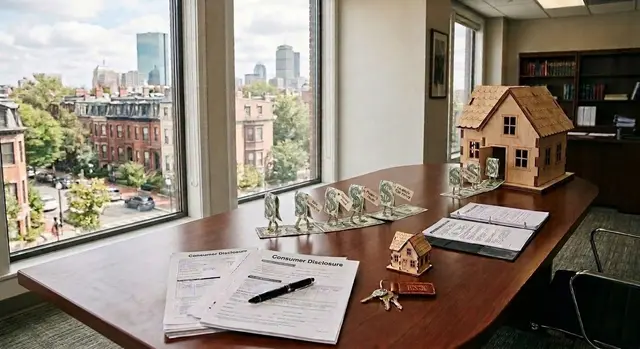
Many Massachusetts firms use designated agency, where the broker appoints one agent to represent the buyer and a different agent in the same firm to represent the seller. Dual agency is different: one agent represents both sides at once. Under Massachusetts law (M.G.L. c.112 §87AAA¾), dual agency requires the informed written consent of both buyer and seller. The Massachusetts Mandatory Licensee-Consumer Relationship Disclosure, which your agent gives you at the first meeting about a specific property, states whether the office practices designated agency. If you're working with a firm that lists a significant amount of inventory in your target neighborhoods, it's worth understanding how they handle potential conflicts upfront, before you fall in love with a listing they also represent.
What does the buyer representation agreement mean for your home search?
The buyer representation agreement is a more transparent version of something that was always happening in the background. Your agent's compensation was always part of the transaction. Now it's disclosed to you before you walk through a single door. For most buyers working in Jamaica Plain, Roslindale, Hyde Park, Dorchester, and Roxbury, this agreement doesn't change the financial math in any significant way. The bigger shift is that you now have a signed agreement defining your agent's obligations to you. Before you sign with anyone, take the time to read the agreement, ask questions, and make sure the terms reflect what you actually want from the relationship.
FAQ
Do home buyers in Massachusetts have to sign a buyer representation agreement before seeing a home?
Yes, if the agent belongs to an MLS. Since August 17, 2024, those agents must have a signed written agreement with a buyer before touring a home with them, in person or by live video. You do not need to sign anything to visit an open house on your own or to ask an agent about their services.
Can I negotiate the terms of the buyer representation agreement?
Yes. The agreement's terms, including compensation and length, are negotiable. Under the NAR settlement rules, the agreement must include a conspicuous statement that broker fees are not set by law and are fully negotiable. Review the agreement carefully and discuss any terms you want to adjust before signing.
Who pays the buyer's agent in Massachusetts?
The buyer representation agreement sets the amount, and the agreement says who pays it. A buyer can ask the seller to pay some or all of it as part of the offer. If the seller agrees to the full amount, no money comes directly from you. If the seller pays less, the agreement says whether you owe the difference. Your agent should explain this before you sign.
What is the difference between dual agency and designated agency in Massachusetts?
Dual agency means one agent represents both the buyer and the seller in the same transaction, which limits the agent's ability to advocate fully for either party, and it requires the informed written consent of both. Designated agency means the broker appoints a different agent in the same firm to represent each side, so each party has its own advocate.
Does signing a buyer representation agreement mean I have to buy a home with that agent?
No. The agreement defines the terms of your working relationship, not an obligation to purchase any specific home. You agree to work with the agent for the term of the agreement and to honor the compensation terms if a purchase closes during that period. It does not lock you into buying any specific property or buying at all.
The bottom line: in Massachusetts you'll sign a buyer representation agreement before your first tour, so read it, negotiate the terms, and understand the compensation before you sign.
Have questions? Let's connect.
About Juan Murray
Juan Murray is a Boston broker associate with more than 30 years of experience helping buyers, sellers, and investors across Greater Boston, personally leading every transaction from the first conversation through closing.
RE/MAX Real Estate Center · (978) 581-0801
Equal Housing Opportunity. Juan Murray is licensed as a Broker in Massachusetts, regulated by the Massachusetts Board of Registration of Real Estate Brokers and Salespersons. This article is general information only and does not constitute legal, tax, or financial advice. Confirm your specific costs and obligations with your closing agent, tax advisor, or lender.