· By Juan Murray
How to Choose the Best Offer When Selling Your Boston Home
The best offer is the one most likely to close with the strongest net proceeds on a timeline that works for the seller, and it is not always the highest number on the page. In Greater Boston, sellers compare offers on four things beyond price: the strength of the buyer's financing, the contingencies, the size of the deposit, and the closing timeline. A slightly lower offer from a well-qualified buyer with a strong deposit and a workable closing date can be safer than a higher offer that falls apart before closing.
How do you choose the best offer when selling a home in Boston?
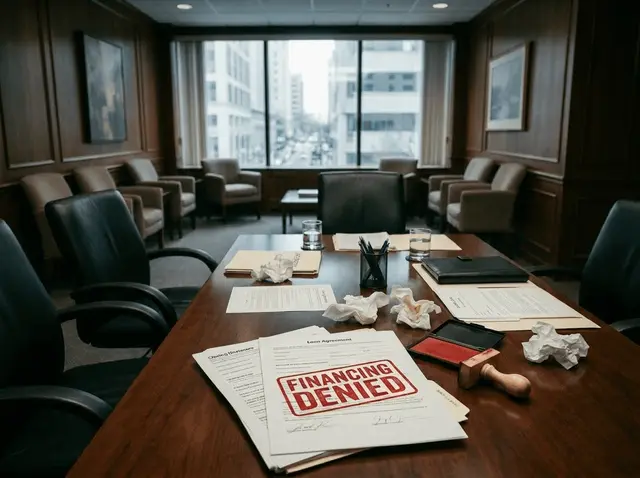
Pick the offer most likely to close with the strongest net on a timeline that works for you, which means weighing financing, contingencies, deposit and timing alongside price. The home is priced, prepared, and now there are offers on the table. The eye goes straight to the biggest number, and it feels like the decision makes itself. It rarely does. In more than 30 years of guiding sellers in Jamaica Plain, Roslindale, Hyde Park, Dorchester, and Roxbury through this moment, Juan Murray has seen that the highest offer and the best offer are not always the same. The price is a promise; whether it survives inspection, financing, appraisal, and closing depends on everything beneath it. For what happens when a buyer's financing unravels, see when buyer financing falls through. For what a low appraisal does to a seller's options, see how to handle a low appraisal in Boston.
Key Takeaways
- A Massachusetts seller isn't obligated to accept the highest offer, or any offer, but a signed Offer to Purchase can be binding.
- Weigh five things in every offer: net proceeds, financing strength, contingencies, deposit and closing timeline.
- A $1,025,000 offer from a pre-approved buyer with a strong deposit can be a stronger position than a $1,050,000 offer with a thin pre-qualification and a home-sale contingency.
- For contracts signed after October 15, 2025, sellers can't condition acceptance on a buyer waiving or limiting a home inspection.
- A Massachusetts law firm describes a total deposit of 5% of the price, paid in two stages, as typical.
Why isn't the highest offer always the best offer?
An offer is only worth what reaches the seller at closing. A buyer can write a big number, then chip it back through inspection requests, struggle to get the loan, or see the appraisal come in under the contract price. When a deal collapses weeks in, the seller isn't back where they started: the home has lost time on the market, and new buyers may ask what went wrong.
A Massachusetts seller isn't obligated to accept the highest offer, or any offer, and can weigh several at once. Once the seller signs an Offer to Purchase, though, it can be a binding contract, so the weighing has to happen before signing. See the Massachusetts Offer to Purchase guide.
What should you compare in every offer?
Compare five things.
- Net proceeds, not just price. Two offers at the same price can net very different amounts. A higher offer that asks for closing-cost credits or a long rent-back can net less than a lower, cleaner one. The seller net proceeds estimate helps compare.
- Financing strength. A buyer with a full lender pre-approval is in a different position than one with a quick pre-qualification. An all-cash buyer removes the risk of a loan denial, and the appraisal matters only if the buyer made it a contingency.
- Contingencies. Each contingency is a way for the buyer to walk or renegotiate. Financing and appraisal contingencies are common, and a home inspection is the buyer's right: for contracts signed after October 15, 2025, Massachusetts bars sellers and their agents from conditioning acceptance on a buyer waiving or limiting a home inspection, or accepting an offer that requires such a waiver (M.G.L. c.143 §101; 760 CMR 74.00). The one to watch closely is a home-sale contingency, where the buyer must sell their own place first.
- Deposit. The deposit shows how much the buyer stands to lose by walking away. With a liquidated damages clause in the Purchase and Sale Agreement, a larger deposit gives the seller more protection if the buyer defaults. See what happens to earnest money if a sale falls through.
- Closing timeline. A buyer who can match the seller's dates, or stay flexible, is worth real money.
For example, a $1,050,000 offer with a thin pre-qualification, a small deposit, and a home-sale contingency can be a weaker position than a $1,025,000 offer from a pre-approved buyer with a strong deposit and no home to sell. The lower number may be the one that actually closes.
How do multiple offers and escalation clauses work?
When a well-priced home draws several offers, a common approach is to set an offer deadline, tell every interested buyer, and ask for highest and best. "Best" matters: buyers can improve terms as well as price, such as a larger deposit, stronger financing, a shorter financing or appraisal contingency, or a better timeline.
An escalation clause says a buyer will beat any competing offer by a set amount, up to a cap. An escalated price can exceed the appraised value, creating an appraisal gap someone has to cover. More detail is in the guide to escalation clauses in Boston offers.
A backup offer is another tool. If a strong second buyer agrees to stay in a backup position and the first deal falls through, the seller isn't starting from scratch. Have an attorney draft the backup terms so the seller isn't bound to two buyers at once.
How do you run a multiple-offer review?
Set the process up before the home goes live, so every buyer competes on the same terms. Juan walks sellers through four steps.
- Set a clear offer deadline. Pick a date and time for offer review and tell every interested buyer in writing. Everyone then submits with the same information, which makes the offers comparable. Without a deadline, you're reacting to offers one at a time.
- Require complete paperwork from every buyer. A pre-approval letter is a starting point, not a guarantee. Ask for the lender's name and contact information, proof of funds for the down payment and, where available, evidence that the loan has been through underwriting. Cash buyers should show proof of funds too, not just a statement that they're paying cash.
- Compare every term on one worksheet. Line up price, any escalation clause and its cap, both deposits (with the Offer to Purchase and at the Purchase and Sale Agreement), any appraisal-gap commitment, the mortgage and home-sale contingencies, the closing date, any rent-back request and any requested credits. Seeing them side by side keeps the conversation on the whole offer, not the top-line price.
- Counter, call for highest and best, or accept. Calling for highest and best keeps every buyer on equal footing, but some may decline to resubmit. Countering one buyer is faster when one offer is clearly ahead and only one term needs work. Accepting outright makes sense when an offer is clean enough that another round adds more risk than it's likely to gain.
Never share one buyer's offer details with another buyer to push them higher without that buyer's permission.
What happens if the price outruns the appraisal?
When competition pushes the price above what recent comparable sales support, a low appraisal can follow. Without an appraisal-gap commitment, a financed buyer may be able to renegotiate or exit under the mortgage contingency. By then you've lost weeks, possibly lost the other buyers, and may accept less than your original best offer. Before accepting an offer well above recent comparable sales, check what the buyer has committed to cover in cash if the appraisal comes in short.
FAQ
Do I have to accept the highest offer when selling my house in Massachusetts?
No. A Massachusetts seller can accept, counter, or reject any offer. Weigh price against financing strength, contingencies, deposit, and timing before signing, because a signed Offer to Purchase can be binding.
What makes one offer stronger than another if the prices are close?
Financing and terms. A pre-approved or cash buyer with a solid deposit, a workable contingency structure, and a flexible closing date is generally stronger than a higher offer with a weak pre-qualification, a small deposit, or a home-sale contingency. Sellers can't ask a buyer to waive the home inspection.
Should I accept an offer with an escalation clause?
It can work, but read it carefully. An escalation clause can push the price above the appraised value and create a gap later. The agent and attorney should confirm the clause is clear and that the buyer can cover any appraisal shortfall.
What is a backup offer, and should I take one?
A backup offer is a second offer held in reserve in case the accepted deal falls through. A strong backup can save the time and leverage lost by relisting, provided the terms make clear it only takes effect if the first deal ends.
How much earnest money should a serious buyer put down in Greater Boston?
There is no fixed rule, and amounts are negotiable. A Massachusetts real estate law firm describes a total deposit of 5% of the price, paid in two stages, as typical. A larger deposit gives the buyer more to lose by walking away without a valid contingency.
The bottom line: the best offer is the one most likely to close at a strong net on your timeline, which is not always the highest number on the page.
Sources
- 760 CMR 74.03, inspection waiver limits: https://www.law.cornell.edu/regulations/massachusetts/760-CMR-74-03
- 760 CMR 74.04, exemptions and October 15, 2025 applicability: https://www.law.cornell.edu/regulations/massachusetts/760-CMR-74-04
- Vetstein Law Group, Massachusetts Real Estate Law Blog, deposits and liquidated damages: https://massrealestatelawblog.com/tag/massachusetts-liquidated-damages/
- Fletcher Tilton PC, "The Enforceability of an Offer to Purchase": https://www.fletchertilton.com/the-enforceability-of-an-offer-to-purchase/
Have questions? Let's connect.
About Juan Murray
Juan Murray is a Boston broker associate with more than 30 years of experience helping buyers, sellers, and investors across Greater Boston, personally leading every transaction from the first conversation through closing.
RE/MAX Real Estate Center · (978) 581-0801
Equal Housing Opportunity. Juan Murray is licensed as a Broker in Massachusetts, regulated by the Massachusetts Board of Registration of Real Estate Brokers and Salespersons. This article is general information only and does not constitute legal, tax, or financial advice. Confirm your specific costs and obligations with your closing agent, tax advisor, or lender.