· By Juan Murray
Condo Conversion Rules for Boston Triple-Decker Sellers
Boston's condo conversion proposal, City Council Docket 1711, would extend tenant protections to rented two- and three-families, so it matters most if your likeliest buyer plans to convert your triple-decker into condos. It is still in committee and not law. From September 2025 through August 2026, the median multi-family sale price was $1,200,000 across Dorchester (MLS PIN).
Will Boston's condo conversion proposal affect the sale of my triple-decker?
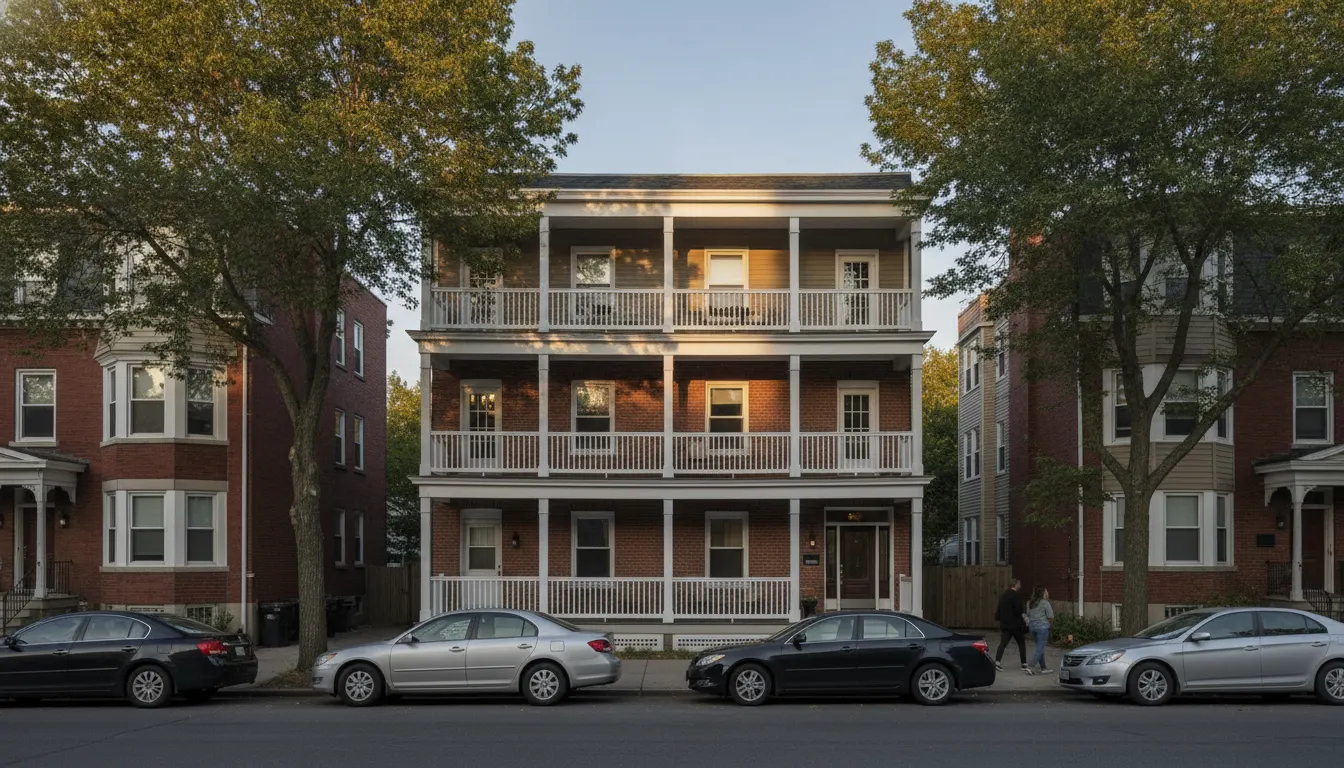
Possibly, depending on who buys it. Boston City Council Docket 1711, filed September 16, 2026, would extend the city's condo conversion tenant protections to non-owner-occupied buildings with fewer than four units, including rented two- and three-families. It is still a proposal in committee. The obligations fall mainly on whoever converts the building, so it matters most when you sell to a developer or investor who plans to turn your triple-decker into condos. As filed, though, it also reaches a seller who clears out tenants ahead of a sale to a buyer the seller knows plans to convert.
If you own a rented triple-decker in Dorchester, Roxbury, Jamaica Plain, Roslindale, or Hyde Park, this deserves your attention before you list. It is not law yet. But it targets the buyers who have been paying seven-figure prices for buildings like yours. From September 2025 through August 2026, the median multi-family sale price was $1,200,000 across Dorchester and $1,030,000 in Roxbury (02119), according to MLS PIN.
Key Takeaways
- Docket 1711, filed September 16, 2026, would extend Boston's condo conversion tenant protections to non-owner-occupied buildings with fewer than four units. It is not law yet.
- As filed, owner-occupied buildings with fewer than four units are excluded.
- Covered tenants would get one year's notice (two years for elderly, disabled, and low- or moderate-income tenants) and relocation benefits of $10,000 or $15,000 per unit.
- As filed, evicting a tenant ahead of a sale to a buyer the owner knows plans to convert is treated as a conversion eviction.
- State law already covers non-owner-occupied two- and three-families since the Affordable Homes Act, approved August 6, 2024.
- Talk to your attorney before ending any tenancy to deliver the building vacant.
What condo conversion rules already apply in Boston today?
The city ordinance covers buildings built before December 1983 with four or more rental units, and state law now reaches non-owner-occupied two- and three-families. Boston's existing condominium and cooperative conversion ordinance, last amended March 8, 2021, covers properties built before December 1983 with four or more rental units, according to the city's ordinance page. An owner who converts must give tenants a one-year notice, obtain a Conversion Plan from the Mayor's Office of Housing and a Conversion Permit from Inspectional Services, and pay $1,000 per unit. Tenants get a one-year lease extension, a right of first refusal to buy their unit, and relocation benefits of $10,000, or $15,000 for tenants who are 62 or older, have a disability, or have income below 80 percent of area median income. Those households can receive a five-year extension. Violations carry fines of $300 or more per day.
State law already goes further than many owners realize. The 1983 state condo conversion law (Chapter 527 of the Acts of 1983) used to exclude all buildings with fewer than four units. Section 57 of the Affordable Homes Act, approved August 6, 2024, narrowed that exclusion to owner-occupied buildings with fewer than four units. So non-owner-occupied two- and three-families are now within the state law's definition. Ask your attorney what the state minimums require for your building.
What would Docket 1711 change?
It would rewrite the city ordinance to cover most rental housing, with longer notice, lease extensions, relocation payments, and a two-step approval. Docket 1711, sponsored by Councilors Liz Breadon and Gabriela Coletta Zapata with nine co-sponsors, would rewrite the city ordinance. As filed:
- Coverage. It applies to rental housing generally, excluding owner-occupied buildings with fewer than four units. Buildings constructed on or after November 30, 1983 would be subject only to the state law, not the city's added requirements.
- Notice. One year's notice of intent to convert, or two years for elderly, disabled, and low- or moderate-income tenants. That longer period can extend up to two more years if the owner does not help those tenants find comparable housing.
- Lease extensions. Leases that would end before the notice period must be extended, with rent increases capped at the lesser of 10 percent or the prior year's change in the consumer price index.
- Relocation. $10,000 per unit, or $15,000 when the household includes an elderly, disabled, or low- or moderate-income tenant.
- Right to buy. Tenants must be offered their unit at least six months before the notice period ends and get up to 120 days to sign a Purchase and Sale Agreement.
- Vacant units. Former tenants who lived in a now-vacant unit in the 12 months before the intent to convert (24 months when a master deed is the first sign) are owed the same benefits, or the owner waits a year.
- Two-step approval. A Preliminary Conversion Approval from the Mayor's Office of Housing, then a Final Conversion Permit from Inspectional Services, which can be denied when documentation is incomplete or displacement appears unlawful.
- Timing. As filed, it would take effect January 1, 2027 and run until May 31, 2031.
The point sellers miss: as filed, if an owner moves to evict a tenant ahead of a sale to a buyer the owner knows or should have known plans to convert, that eviction is treated as a conversion eviction under the ordinance.
The docket was referred to the Committee on Government Operations, which scheduled a working session for November 2, 2026, without public comment. Final language can change in committee.
How does the proposal affect you if you're selling?
It depends on whether you live in the building and whether your buyer plans to convert. The ordinance regulates the conversion, not the sale. So the first question is which kind of seller you are.
- You live in the building. As filed, owner-occupied buildings with fewer than four units are excluded. Your sale looks unaffected, but confirm your status with your attorney, since the definition could be refined in committee.
- You rent every unit and expect to sell to an investor who will keep renting. Conversion rules don't apply to a buyer who isn't converting. Your leases, security deposits, and tenant notices transfer the way they always have, as covered in selling a tenant-occupied triple-decker in Roxbury and selling rental property with tenants in place.
- Your most likely buyer plans to convert. This is where the proposal bites. If it passes, that buyer would face notice periods, relocation payments, and a permit process before selling a single condo. A careful developer will price those costs and months into the offer, and some will wait for clarity. Nobody can say today how much that moves offers.
Before you list, Juan Murray pulls recent closed sales of comparable two- and three-family buildings in your neighborhood so you can see what each type of buyer has actually paid.
Expanding the ordinance has supporters and critics. Lydia Edwards told Banker & Tradesman that triple-deckers are selling to developers for seven-figure sums, which is why tenants need the time and money the ordinance provides. In the same column, Scott Van Voorhis argued the process is "clearly designed for a professional real estate firm" rather than a small owner. That debate will play out in committee, and your sale shouldn't hinge on guessing the outcome.
What should triple-decker owners do before they list?
Start by confirming your building's year built and owner-occupancy status, then follow these steps.
- Confirm your building's year built and owner-occupancy status. Check assessing records and your deed history so there are no surprises.
- Gather your leases, tenancy start dates, and any notices you've given. Organized records help every buyer, converters or not.
- Talk to your attorney before ending any tenancy to deliver the building vacant. If your buyer plans to convert, the timing and reason for any notice to quit matter under both the state law and the proposal.
- Ask your closing attorney how conversion responsibility and tenant notices should be handled in your Purchase and Sale Agreement. In Massachusetts, the attorney is the right person to draft that language.
- Decide which buyer you want to reach. An owner-occupant, an investor who will keep renting, and a developer value your building differently, and the pricing and marketing for each differ. If you're an investor, see the 1031 exchange guide for Boston investment sellers and the investment property selling page.
- Watch the calendar without waiting on it. Waiting for certainty has its own cost if buyer demand shifts.
Whatever happens at Council, keep your marketing and your conversations with tenants consistent with fair housing law, including Massachusetts protections for tenants who receive public or rental assistance. The proposal changes who owes what at conversion. It doesn't change how any tenant may be treated.
Run your building through each scenario before you decide: what an owner-occupant would pay, what an investor would pay, and what a developer would pay with these costs priced in. That comparison usually shows where your building is strongest.
FAQ
Has Boston's condo conversion expansion become law?
No. Docket 1711 was filed September 16, 2026 and referred to the Committee on Government Operations, which scheduled a working session for November 2, 2026. The language can change before any vote.
Does Docket 1711 apply to my owner-occupied triple-decker?
As filed, owner-occupied buildings with fewer than four units are excluded. Because the final definition could change in committee, confirm your status with a Massachusetts real estate attorney before you rely on it.
What would tenants receive if a covered building is converted?
Under the proposal as filed: one year's notice (two years for elderly, disabled, and low- or moderate-income tenants), a lease extension through the notice period, a right to buy their unit, and relocation benefits of $10,000 or $15,000 depending on eligibility. Final terms can change in committee.
Should I sell my triple-decker before the proposal passes?
The proposal regulates conversions, not sales, so it isn't a deadline for you, and state law already covers non-owner-occupied two- and three-families. It is a pricing question: how much will a developer pay once these costs apply? Talk it through with your attorney and a local agent who can show you what each buyer type is paying.
How does a building become a condo in Massachusetts?
Under M.G.L. c.183A §2, a condominium is created by executing and recording a master deed. The conversion rules above govern how tenants must be treated before and during that process.
If you want to know what your triple-decker is worth to each type of buyer, and what you'd walk away with after costs, Juan Murray offers private, no-pressure consultations. Schedule a conversation.
The bottom line: Docket 1711 regulates conversions, not sales, but if your likeliest buyer plans to convert, it can change what that buyer is willing to pay.
Sources
- City of Boston, Condominium and Cooperative Conversion Ordinance
- Boston City Council, Docket #1711 (PDF)
- City of Boston, public notice: Docket #1711 working session
- Chapter 150 of the Acts of 2024 (Affordable Homes Act), Section 57
- M.G.L. c.183A §2, creating a condominium
- Banker & Tradesman, Scott Van Voorhis column on Boston condo conversions
- MLS Property Information Network (MLS PIN) via Repliers, September 2025 through August 2026
Have questions? Let's connect.
About Juan Murray
Juan Murray is a Boston broker associate with more than 30 years of experience helping buyers, sellers, and investors across Greater Boston, personally leading every transaction from the first conversation through closing.
RE/MAX Real Estate Center · (978) 581-0801
Equal Housing Opportunity. Juan Murray is licensed as a Broker in Massachusetts, regulated by the Massachusetts Board of Registration of Real Estate Brokers and Salespersons. This article is general information only and does not constitute legal, tax, or financial advice. Confirm your specific costs and obligations with your closing agent, tax advisor, or lender.