· By Juan Murray
Should You Offer a Home Warranty When Selling Your Boston Home?
A home warranty can make sense when you sell an older Boston home, because it gives a hesitant buyer some protection against covered breakdowns in systems like boilers and water heaters. It's a service contract, not insurance, so read the exclusions and coverage caps, and don't use it in place of fixing or disclosing known problems.
Should You Offer a Home Warranty When Selling Your Boston Home?
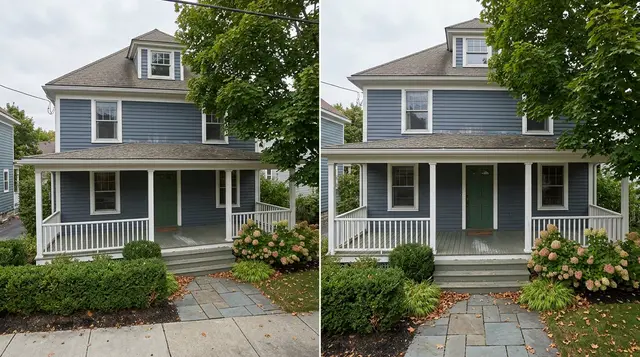
A home warranty is a service contract that pays for repair or replacement of covered home systems and appliances, usually for a set term, with a service fee each time a technician comes out. Some plans let a seller buy coverage at listing that continues for the buyer after closing. For sellers in Jamaica Plain, Roslindale, Hyde Park, Dorchester, and Roxbury with an older triple-decker or two-family, it can give a hesitant buyer one less thing to worry about. It doesn't promise that any particular claim will be paid, and it's no substitute for dealing with known problems.
Key Takeaways
- A home warranty is a service contract with a private company, not an insurance policy and not a manufacturer's warranty.
- Plans commonly cover appliances, plumbing, electrical systems, and heating and cooling, while structural issues, cosmetic damage, code upgrades, and pre-existing conditions are commonly excluded.
- Massachusetts requires service contract providers to register with the Commissioner of Insurance and renew every three years.
- Check the coverage cap per system, since a cap of a few thousand dollars can fall short of a full boiler or heating system replacement.
- A warranty doesn't replace fixing or disclosing known problems, and it doesn't change the buyer's right to a home inspection.
What does a home warranty cover?
Usually appliances, plumbing, electrical, and heating and cooling, depending on the plan. A home warranty is a contract with a private company, not an insurance policy and not a manufacturer's warranty. Terms differ by provider and plan, including price, service fee, coverage caps, what happens during the listing period, and whether and for how long coverage continues for the buyer. Read the contract itself.
Plans commonly cover some combination of:
- Kitchen appliances: range, oven, dishwasher, garbage disposal, built-in microwave
- Laundry: washer and dryer
- Plumbing: water lines, water heater, stoppages, faucets
- Electrical systems
- Heating and cooling, including boilers
What's commonly excluded: structural issues, cosmetic damage, code upgrades, and pre-existing conditions. Roofs are often excluded or offered only as an add-on.
A buyer who's stretching to close may worry about a surprise repair bill in the first year. A warranty can address that worry, which may come up when a buyer asks for a price cut or closing credit. Whether it changes a buyer's decision varies.
How does Massachusetts regulate home warranties?
Massachusetts regulates service contracts in M.G.L. c.175, beginning at §149M, and §149N requires service contract providers to register with the Commissioner of Insurance and renew every three years. Before you buy, ask the provider whether it is registered with the Massachusetts Division of Insurance and get the full contract, not just the brochure.
When does a home warranty matter most in a Boston home sale?
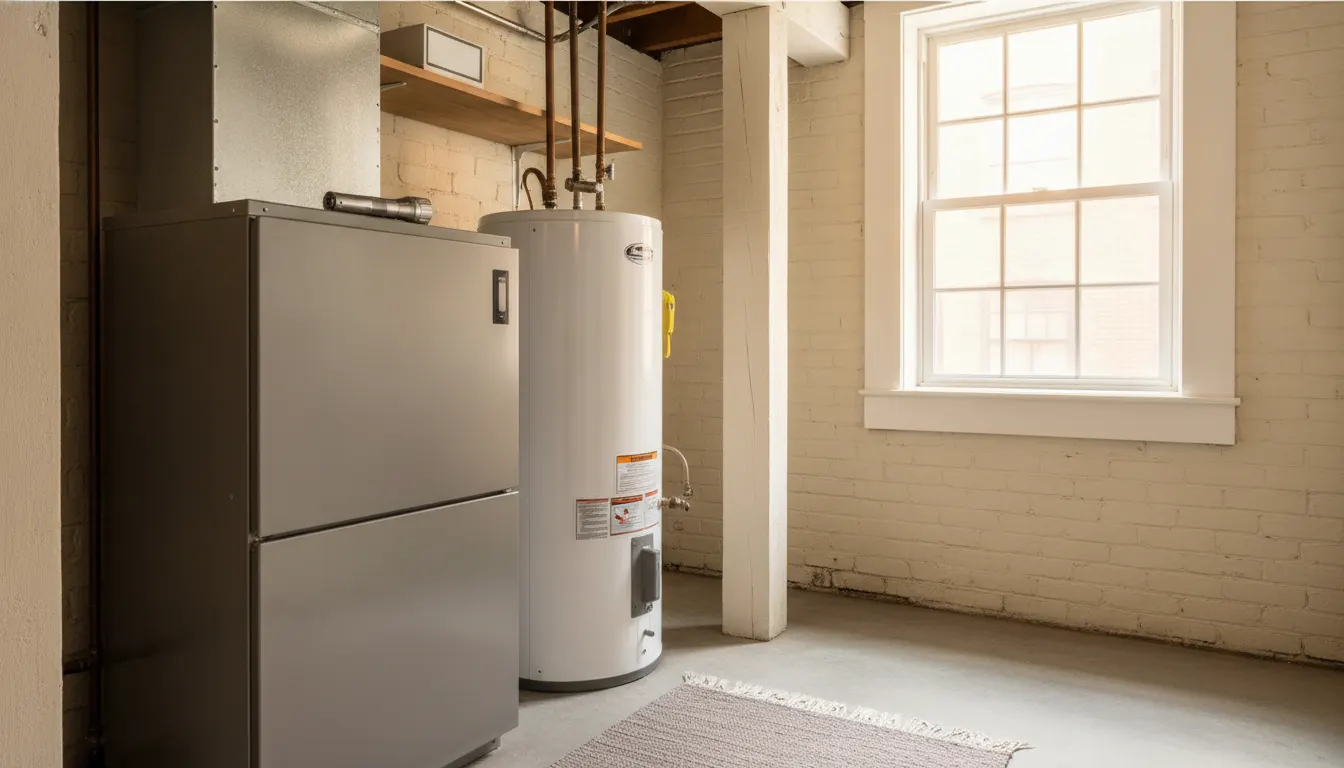
Most often when the home has an older boiler, water heater, or wiring. Many triple-deckers and two-families in these neighborhoods have older boilers, water heaters, or wiring that hasn't been fully updated. That doesn't necessarily stop a sale, but the systems a buyer's inspector is likely to flag are often the same systems a home warranty covers.
Juan Murray walks sellers through this before listing: if a boiler, water heater, or other major system is older, compare the warranty's cost, service fee, and coverage cap with what a buyer might ask for during repair negotiations after the inspection.
A warranty is not a substitute for handling the repairs that actually matter before you list. If an inspector or contractor tells you something is failing now, fix it or disclose it. The warranty is for covered breakdowns, not a way around what's already broken.
What won't a home warranty fix?
Known problems, pre-existing conditions, and anything the contract excludes. Claim denials and partial payments are a frequent source of complaints about home warranties, often because the provider points to a pre-existing condition, missing maintenance records, or a contract exclusion.
Before you buy a plan for your listing, check:
- What's specifically excluded, not just what's listed as covered
- Whether the provider sends its own contractor to evaluate a claim before approving it
- The coverage cap per system, since a cap of a few thousand dollars can fall short of a full boiler or heating system replacement
- Whether coverage during the listing period and after closing are both included, and for how long
Treat a warranty like any other closing tool: useful when it's the right fit, and no fix for a home with a known problem you haven't addressed. Whether a warranty, a repair credit, or a price adjustment fits better depends on your home's age, its systems, and your market.
FAQ
How much does a seller's home warranty cost in Massachusetts?
Pricing varies by provider, plan, and the size and type of home, and most plans also charge a service fee each time a technician is dispatched. Get written quotes and compare the coverage caps, not just the price.
What does a seller's home warranty cover?
Plans commonly cover major kitchen and laundry appliances, plumbing, electrical systems, and heating and cooling equipment, including boilers. Roofs, structural issues, and cosmetic problems are commonly excluded. The contract controls.
Does a home warranty replace a home inspection or repair negotiation?
No. A warranty covers certain future breakdowns. It doesn't substitute for disclosing known issues or for repairs. It also doesn't change the buyer's right to a home inspection: under M.G.L. c.143 §101 and 760 CMR 74.00, for most one- to four-unit homes and condominiums with a first contract signed after October 15, 2025, a seller can't condition acceptance of an offer on the buyer waiving the inspection, warranty or not.
Is a home warranty worth it for an older Boston triple-decker?
It can be, if the plan covers the systems you're concerned about and the coverage caps fit what those systems would cost to repair or replace. Read the exclusions closely, since older equipment is where pre-existing condition disputes tend to arise.
Who pays for the home warranty, the buyer or the seller?
It's negotiable. Some sellers buy one at listing, some offer it as a concession after the inspection, and some buyers buy their own.
The bottom line: a home warranty can reassure a buyer of an older Boston home, but only if its coverage and caps fit your systems, and it never replaces fixing or disclosing known problems.
Sources
- M.G.L. c.175 §149M (service contract definitions): https://malegislature.gov/Laws/GeneralLaws/PartI/TitleXXII/Chapter175/Section149M
- M.G.L. c.175 §149N (service contract provider registration): https://malegislature.gov/Laws/GeneralLaws/PartI/TitleXXII/Chapter175/Section149N
- M.G.L. c.143 §101 (home inspection waivers): https://malegislature.gov/Laws/GeneralLaws/PartI/TitleXX/Chapter143/Section101
- 760 CMR 74.04 (exemptions, October 15, 2025 date): https://www.law.cornell.edu/regulations/massachusetts/760-CMR-74-04
Have questions? Let's connect.
About Juan Murray
Juan Murray is a Boston broker associate with more than 30 years of experience helping buyers, sellers, and investors across Greater Boston, personally leading every transaction from the first conversation through closing.
RE/MAX Real Estate Center · (978) 581-0801
Equal Housing Opportunity. Juan Murray is licensed as a Broker in Massachusetts, regulated by the Massachusetts Board of Registration of Real Estate Brokers and Salespersons. This article is general information only and does not constitute legal, tax, or financial advice. Confirm your specific costs and obligations with your closing agent, tax advisor, or lender.