· By Juan Murray
Should You Fix Mold Before Selling Your Boston Home?
In most cases, yes: find the mold, fix the moisture source that caused it, and document the work before you list. Massachusetts has no mold disclosure statute, but you can't misrepresent or conceal a known problem, and EPA says an area under about 10 square feet can usually be handled by the homeowner.
Should You Fix Mold Before Selling Your Boston Home?
Usually, yes. Dealing with mold on your own timeline, with the moisture source repaired and the work documented, puts you in a stronger position than having a buyer's inspector find it mid-transaction, when it can lead to a price reduction, a repair credit, or a buyer walking away.
Key Takeaways
- Massachusetts has no mold disclosure statute or general seller disclosure form, but you can't misrepresent or conceal known mold, and your agent must disclose known material defects.
- Massachusetts home inspection standards don't require an inspector to determine whether mold is present.
- EPA says a moldy area of less than about 10 square feet can usually be handled by the homeowner, while larger areas call for a professional.
- Fix the moisture source, not just the mold, and keep every invoice and before-and-after photo.
- For contracts first signed after October 15, 2025, sellers of one- to four-unit homes and condos can't condition acceptance of an offer on the buyer waiving an inspection.
Do You Have to Disclose Mold When Selling a Home in Massachusetts?
Massachusetts has no mold disclosure statute and no general seller disclosure form, so there is no general law forcing you to volunteer that your home has, or had, a mold problem. But you cannot misrepresent or conceal it. If a buyer asks you directly, your answer has to be truthful, and painting over water stains or hiding mold behind fresh drywall can expose you to a fraud or misrepresentation claim. Massachusetts licensing rules (254 CMR 3.00) also give a listing agent acting as a designated agent an affirmative obligation to disclose known material defects, so once your agent knows about mold, the buyer will generally hear about it too. The practical path is to find it, fix the moisture source that caused it, and be ready to show your work. (This is general information, not legal advice. For your specific situation, talk with a real estate attorney.)
Why Is Mold a Common Issue in Older Boston Homes?
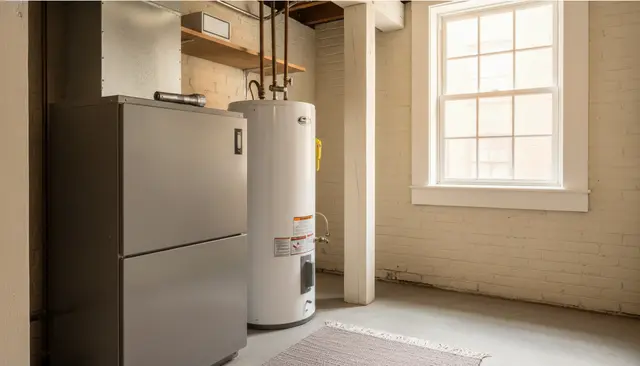
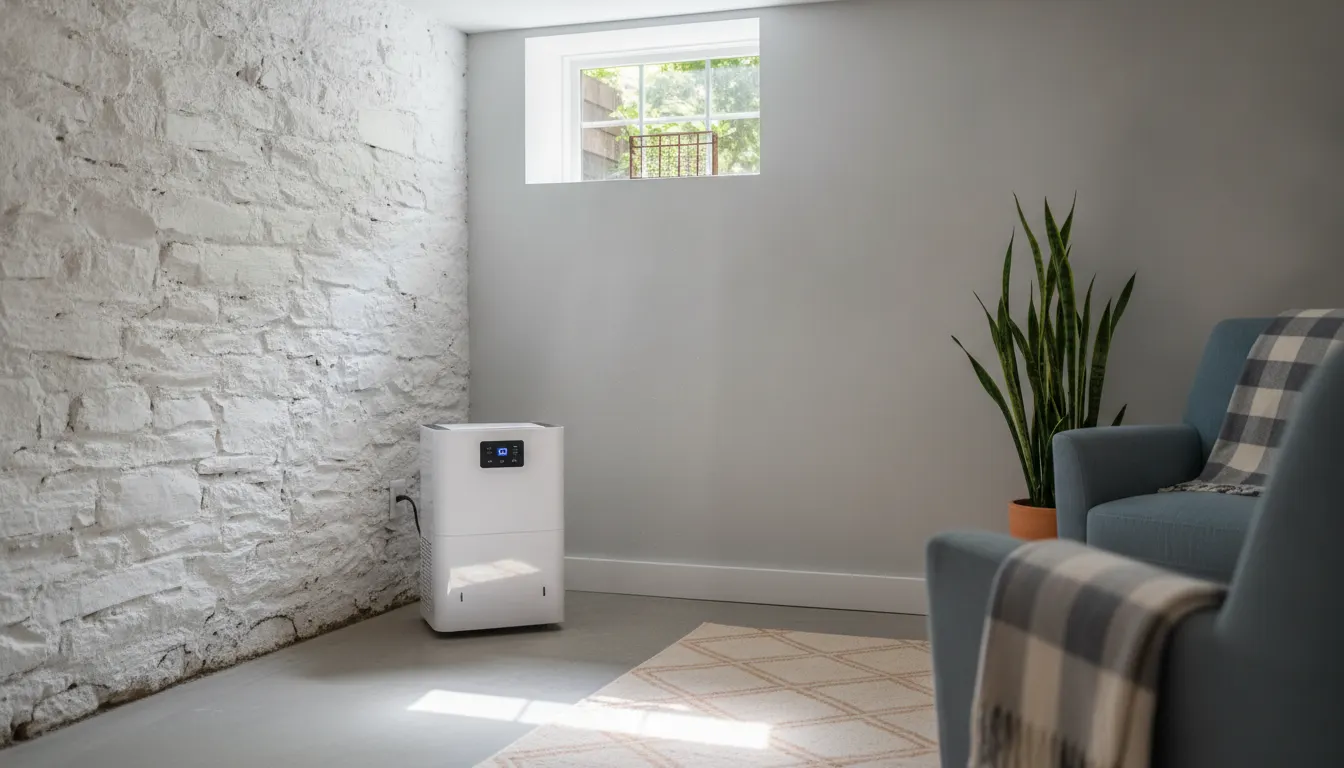
Because much of Boston's older housing was built before modern moisture barriers. If you own a triple-decker or two-family in Jamaica Plain, Roslindale, Hyde Park, Dorchester, or Roxbury, there's a real chance of a basement moisture issue you've never had checked. Much of Boston's older housing predates modern moisture barriers and basement waterproofing, and basement moisture is a common finding in these homes.
Here is the part that catches sellers off guard: Massachusetts home inspection standards don't require an inspector to determine whether mold is present; mold and other environmental testing are excluded from the standard inspection. Plenty of owners don't know they have a problem until a buyer's inspector notes signs of moisture, or the buyer brings in a mold specialist partway through the transaction. That's a hard moment to find out, because you're negotiating from surprise instead of preparation. And plan on a buyer inspection happening. For contracts where the first Offer to Purchase or Purchase and Sale Agreement is signed after October 15, 2025, Massachusetts law (M.G.L. c.143 §101 and 760 CMR 74.00) bars sellers of one- to four-unit homes and condos from conditioning acceptance of an offer on the buyer waiving an inspection, or accepting an offer that states an intent to waive one.
This is the kind of question Juan Murray walks sellers through before a sign goes in the yard. Checking for moisture before you list lets you inspect, dry out, and resolve issues on your own timeline rather than the buyer's.
What Mold Can Cost You If You Wait
Remediation cost scales with the size of the problem and with what caused it. EPA's guidance is that a moldy area of less than about 10 square feet can usually be handled by the homeowner, while larger areas or significant water damage call for a professional. Get a written quote for anything larger.
Compare that to what can happen if it surfaces mid-transaction. Mold a buyer discovers during their inspection gives them leverage to ask for a price reduction or repair credit, and some buyers walk away under their inspection contingency even after a seller offers to remediate. Lenders look at condition too: Fannie Mae's Selling Guide, for example, requires the appraiser to comment on evidence of dampness and its effect on value and marketability, with either proof the condition was corrected or a professional's report that it's no threat to the structure. Government-backed loans such as FHA have their own property standards. Any of that can delay financing right when you need your buyer to stay on track.
The Right Way to Handle Mold Before You List
If you suspect a moisture issue, or already know about one, here is how to approach it before your home hits the market.
- Identify it honestly. Look for discolored patches on walls, ceilings, or basement framing, and pay attention to a musty smell, which can be a sign before mold is visible.
- Fix the moisture source, not just the mold. EPA warns that if you clean up the mold but don't fix the water problem, the mold will most likely come back, and a buyer's inspector will ask what caused it.
- Hire it out for anything beyond a small area. EPA's rough line is about 10 square feet. Professional work also gives you a documented, third-party record.
- Keep every invoice and before-and-after photo. Documentation of the cleanup and of the permanent repair to the underlying cause is far easier for a buyer, appraiser, and lender to accept than "we think we fixed it." EPA notes there are no federal limits for mold, so sampling can't show compliance with a standard, but surface sampling done by an experienced professional can help confirm an area was cleaned.
- Disclose what you know. Even without a seller disclosure form, you can't misrepresent a known issue, and your agent has a duty to disclose known material defects. Being upfront about a resolved issue, backed by paperwork, builds the kind of buyer trust that keeps a deal from unraveling later.
A basement that looks fine may still have a moisture pattern worth checking before a buyer's inspector finds it. For the other conditions that tend to come up, see what will fail a home insurance inspection in Massachusetts. If your home also has original knob and tube wiring, read why old wiring can stop your Boston home sale cold.
And if mold or another repair item turns up during your buyer's inspection anyway, you aren't required to fix everything they ask for. How that negotiation works, including when to offer a credit instead of a repair, is covered in home inspections, pre-listing inspections, and repairs when you sell in Massachusetts.
How much moisture history your home has, what your basement looks like today, and how a resolved issue should be priced and disclosed all depend on the property. Juan Murray has more than 30 years of experience across Jamaica Plain, Roslindale, Hyde Park, Dorchester, and Roxbury, and can walk through it with you.
FAQ
Do Massachusetts sellers have to disclose mold?
Massachusetts has no mold disclosure statute and no general seller disclosure form, so there is no general requirement to volunteer that your home has or had mold. However, if a buyer asks directly, you must answer truthfully, and you can't misrepresent or actively conceal a known issue without risking a fraud or misrepresentation claim. Your listing agent also has a duty to disclose known material defects, so a known mold problem will generally reach the buyer anyway. This is general information, not legal advice.
How much does mold remediation cost before selling a house?
It depends on the size of the area, what materials are affected, and what's causing the moisture. EPA says areas under about 10 square feet can usually be handled by the homeowner; for anything larger, get written quotes from professionals.
Does mold lower my home's appraised value?
It can. Appraisers working on loans sold to Fannie Mae must comment on evidence of dampness and its effect on value and marketability. Documented remediation, with the moisture source permanently fixed, puts you in a better position than an unresolved problem.
Will a standard home inspection catch mold?
Not necessarily. Massachusetts home inspection standards exclude determining whether mold is present, so many sellers don't know they have an issue until a buyer's inspector notes moisture or a mold specialist finds it during the transaction.
Can a buyer walk away from a deal because of mold?
Yes. Buyers can walk away during their inspection contingency period, which in Massachusetts is set in the Offer to Purchase, if mold or another material issue is found, and some do even when a seller offers to remediate. Lender property standards can also require conditions to be addressed before closing, which can delay financing.
The bottom line: if you suspect mold, find it, fix the moisture source, and document the work before you list, so you negotiate from preparation instead of surprise.
Sources
- EPA, A Brief Guide to Mold, Moisture and Your Home: https://www.epa.gov/mold/brief-guide-mold-moisture-and-your-home
- 266 CMR 6.05 (home inspection limitations and exclusions): https://www.law.cornell.edu/regulations/massachusetts/266-CMR-6-05
- 254 CMR 3.00 (Massachusetts real estate licensee conduct): https://www.law.cornell.edu/regulations/massachusetts/254-CMR-SS-3.00
- M.G.L. c.143 §101 (home inspection waivers): https://malegislature.gov/Laws/GeneralLaws/PartI/TitleXX/Chapter143/Section101
- 760 CMR 74.04: https://www.law.cornell.edu/regulations/massachusetts/760-CMR-74-04
- Fannie Mae Selling Guide B4-1.3-06, Property Condition and Quality of Construction of the Improvements: https://selling-guide.fanniemae.com/sel/b4-1.3-06/property-condition-and-quality-construction-improvements
Have questions? Let's connect.
About Juan Murray
Juan Murray is a Boston broker associate with more than 30 years of experience helping buyers, sellers, and investors across Greater Boston, personally leading every transaction from the first conversation through closing.
RE/MAX Real Estate Center · (978) 581-0801
Equal Housing Opportunity. Juan Murray is licensed as a Broker in Massachusetts, regulated by the Massachusetts Board of Registration of Real Estate Brokers and Salespersons. This article is general information only and does not constitute legal, tax, or financial advice. Confirm your specific costs and obligations with your closing agent, tax advisor, or lender.