· By Juan Murray
When to Start Preparing Your Greater Boston Home to Sell
Start preparing your Greater Boston home to sell 3 to 6 months before your target list date. Use the first months for repairs, permits, and documents, then shift to decluttering, staging, and photography in the final 1 to 2 months. Older housing stock and Massachusetts-specific requirements make early prep worthwhile.
When should I start preparing my Greater Boston home to sell?
Juan Murray walks every seller through this timeline before talking about price. The first phase covers repairs, permit history, and Massachusetts-specific items (lead paint records, smoke and carbon monoxide alarms, condo certificates, and lining up a closing attorney). The second phase, roughly 1 to 2 months out, is decluttering, staging, and professional photography. Sellers who start two or three weeks out often end up moving their list date or scrambling to fix a compliance issue late.
Key Takeaways
- Start 3 to 6 months before your target list date: repairs, permits, and documents first, then decluttering, staging, and photography in the final 1 to 2 months.
- Check permit history early, because unpermitted work can complicate a sale if a buyer's inspector, lender, or attorney asks about it.
- Gather Massachusetts items now: lead paint records, smoke and carbon monoxide alarms, a 6(d) certificate for condos, and Title 5 if the home is on septic.
- The lead paint notification must reach the buyer before they sign a Purchase and Sale Agreement.
- Book a stager about 2 months out and a photographer about 1 month out.
- Across Boston, homes that sold within 30 days of listing went for a median 100% of their original asking price, versus 92.6% for homes on the market more than 60 days (MLS PIN, September 2025 through August 2026).
What should I do 5 to 6 months before selling my home?
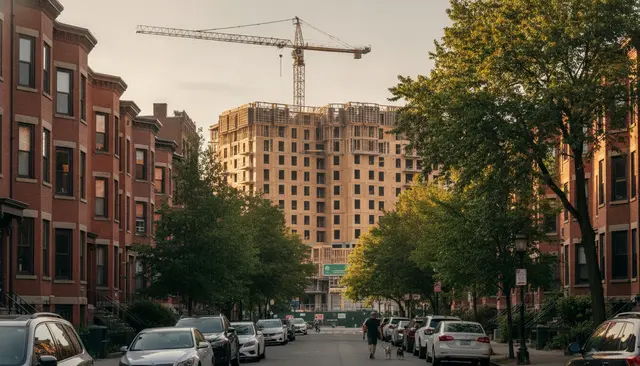
Assess repairs, check permit history, and gather documents. This is where most sellers underestimate the timeline. Greater Boston's housing stock is old: triple-deckers from the 1890s, brick row houses, postwar ranches, and condos carved out of century-old buildings.
Take a clear-eyed look at the property
Walk every room with a notepad. Check the roof, gutters, basement, electrical panel, water heater, and heating and cooling. If no professional has looked at the home recently, consider a pre-listing home inspection. It surfaces issues on your terms, before a buyer's inspector does, and gives you options: fix it, price around it, or disclose it.
Then separate the must-fix items from the nice-to-haves. What to Fix Before Selling Your Boston Home covers that decision in detail.
Check permit history
In Boston and most surrounding communities, projects like a deck, a finished basement, or a new electrical panel require permits. Unpermitted work can complicate a sale if a buyer's inspector, lender, or attorney asks about it. Check with your local building department early. If permits are missing, you have time to address it before it becomes a negotiating point.
Gather Massachusetts-specific documents
In Massachusetts an attorney must play a meaningful role in closing a home sale; on a financed purchase that's usually the lender's closing attorney. Many sellers also hire their own attorney to review the Purchase and Sale Agreement, prepare the deed, and handle payoffs. If you will, line them up now so they have time to catch title issues.
- Lead paint. Massachusetts law requires the seller to give a prospective buyer the Property Transfer Lead Paint Notification before the buyer signs a Purchase and Sale Agreement, and sellers and their agents must disclose any known information about lead in the home (M.G.L. c.111 §197A). For homes built before 1978, federal rules add a lead disclosure and give the buyer a 10-day opportunity to have a lead inspection or risk assessment. Gather any prior lead inspection reports and letters of compliance or interim control now. If a child under 6 will live in the home after the sale, the new owner has 90 days to bring it into compliance with the deleading law (c.111 §197), so buyers may ask about your lead records before they make an offer.
- Smoke and carbon monoxide alarms. State law requires a seller to equip a residential building with approved smoke detectors and requires a fire department inspection of carbon monoxide alarms when a home is sold (M.G.L. c.148 §26F and §26F½). In Boston, residential properties of 1 to 5 units built before 1975 need a smoke detector Certificate of Compliance at sale, and sellers of residential units need a carbon monoxide certificate regardless of age or number of units. Test every alarm now and replace missing or expired units during the repair phase. Boston asks sellers to apply for the inspection as soon as they sign the Purchase and Sale Agreement, requires at least 10 business days' notice, and doesn't guarantee an appointment before your closing date.
- 6(d) certificate for condo sellers. The association or its management company issues a 6(d) certificate (M.G.L. c.183A §6(d)), a statement of any unpaid common charges against the unit. The closing attorney needs it for closing, and some associations take time to produce it, so ask early how long yours takes.
- Title 5 septic inspection. Only if the property isn't connected to municipal sewer. The inspection generally must be done within two years before the transfer (310 CMR 15.301). Schedule it before listing so there's time to address a failed system.
Other disclosures depend on the property. Your attorney can tell you what applies.
What should I do 3 to 4 months before listing my house?
Handle cosmetic work, decluttering, and cleaning.
Declutter room by room
This takes longer than most sellers expect, especially in older homes with basement or attic storage. Start with the kitchen, primary bedroom, and main living areas. Donate, sell, or store items before the stager arrives.
Paint and cosmetic repairs
Scuffed walls, dated colors, and chipped trim are easy for buyers to fixate on. Fresh neutral paint, refinished hardwood floors, updated light fixtures, and deep-cleaned kitchens and baths are maintenance-level updates that remove objections. Good painters and floor refinishers book up, especially heading into spring or fall, so schedule early.
Curb appeal
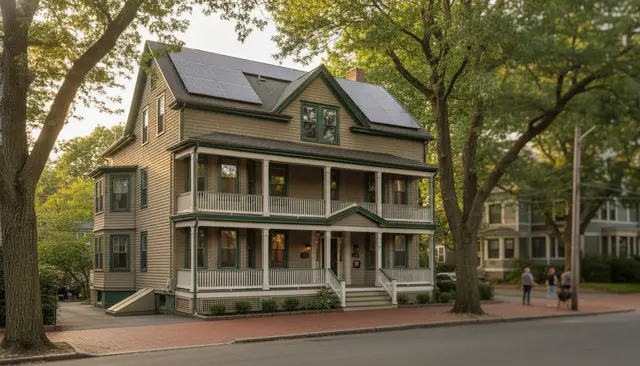
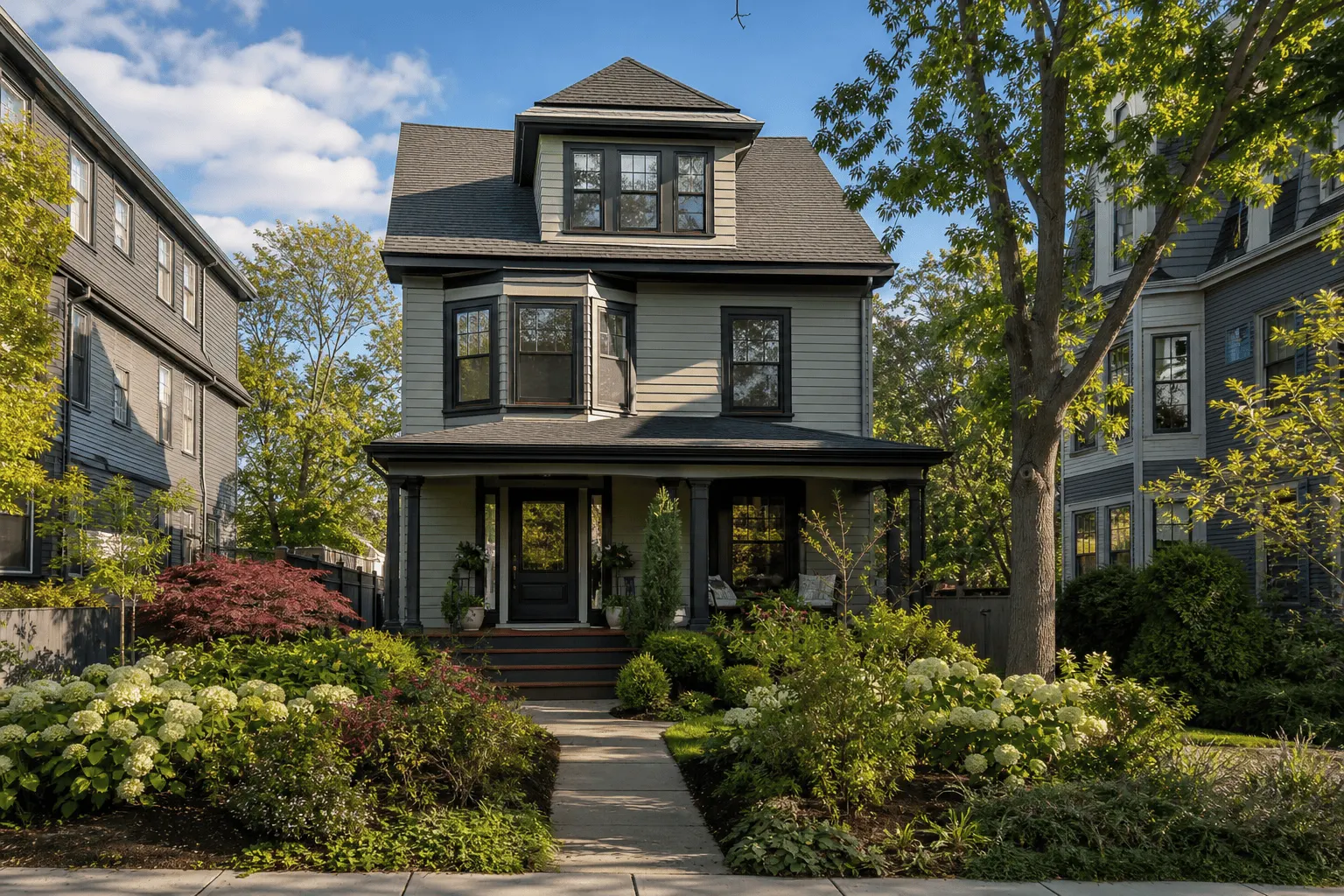
Clean up the front yard, trim overgrown shrubs, and make sure the entry looks cared for. Many Greater Boston homes sit on tight lots with street-facing facades, so the front is the first thing buyers see.
What happens in the final 1 to 2 months before listing?
Staging, photography, and listing prep. By this point the heavy lifting should be done. If you're still dealing with permit issues in the final month, you're behind.
Staging and photography
Book a stager about 2 months before your target list date and a photographer about 1 month out, so you have time to act on the stager's recommendations before photos. Staging doesn't have to mean renting furniture. Often it's editing what you have: removing personal items, opening sightlines, and adding a few neutral accessories.
The listing agent's strategy work
While you finish the physical prep, your listing agent should be working on pricing, launch timing, and positioning, typically in the 4 to 6 weeks before launch.
Pricing. A real pricing analysis looks at active listings (your competition), pending sales, and closed sales nearby, adjusted for condition, lot, layout, and features, along with the spread between list and sale prices in recent transactions. Time on market matters: across Boston, homes that sold within 30 days of listing went for a median 100% of their original asking price, while homes on the market more than 60 days sold for a median 92.6% of their original asking price, and 69% of them had a price reduction (MLS PIN, September 2025 through August 2026; sales entered within 3 days of listing excluded). Neighborhood figures are on the selling in Boston pages, and your home's value depends on its condition, street, and timing. For a rough sense of what you'd keep after costs, try the seller net sheet.
Launch timing. Inventory, how quickly listings are going under agreement, how long comparable homes have been sitting, and mortgage rates all show whether you'd be launching into a tight market or one where buyers have plenty of choices. Work backward from your target date: a spring launch with 3 to 6 months of prep means starting in fall or early winter, and a fall launch means starting by late spring or early summer.
Positioning. Decide how to present the home against what else is competing for the same buyers: photography, the listing description, how showings are handled, and whether an offer deadline makes sense. For what happens when offers arrive, see how to choose the best offer when selling your Boston home.
| Timeline Phase | Key Tasks | Why It Can't Wait |
|---|---|---|
| 5 to 6 months out | Repairs assessment, permit history, attorney (if hiring one), lead paint records, 6(d) certificate question (condo), Title 5 (septic only) | Document gathering and compliance issues take weeks |
| 3 to 4 months out | Contractor work, test and replace smoke and CO alarms, decluttering, painting, floor refinishing | Contractors book out; cosmetic work comes before staging |
| About 2 months out | Stager consultation, deep cleaning, curb appeal, final punch list | Time to act on the stager's recommendations |
| 4 to 6 weeks out | Pricing analysis, launch-date decision, positioning plan | Pricing and timing need a current read of the market |
| About 1 month out | Professional photography, listing prep, lead paint notification ready for buyers, MLS input | The lead notification must reach buyers before a Purchase and Sale Agreement |
| Listing week | Final walkthrough, go live | Last chance to catch anything before showings |
| Under agreement to closing | Smoke and CO inspection and certificate, 6(d) certificate to the closing attorney (condo) | Needed before closing |
Your timeline will shift with your home's condition, whether it's a condo or a house, and your target date.
FAQ
When should I start getting my Boston house ready to sell?
About 3 to 6 months before your target list date. Older housing stock, Massachusetts-specific requirements, and busy contractor schedules mean sellers who start earlier have more control. For a spring listing, start in fall or early winter.
What repairs should I do before listing my Greater Boston home?
Address deferred maintenance that buyers and inspectors will find, like roof leaks, failed mechanicals, or unpermitted work. Cosmetic updates such as paint, refinished floors, and updated fixtures remove objections. Be cautious about large renovations without a clear payback in your price range. See What to Fix Before Selling Your Boston Home.
Do I need a lawyer to sell a house in Massachusetts?
Massachusetts requires an attorney to play a meaningful role in a closing, usually the lender's closing attorney on a financed purchase. Sellers aren't required to hire their own, but many do, to review the Purchase and Sale Agreement, prepare the deed, and handle payoffs.
What disclosures do I need when selling a house in Massachusetts?
They depend on the property. Common ones include the Massachusetts Property Transfer Lead Paint Notification, the federal lead disclosure for homes built before 1978, and the smoke and carbon monoxide inspection at sale. Sellers and agents must also disclose known lead information. Your attorney can advise on what applies.
When do I need to give the lead paint notification in Massachusetts?
Before the buyer signs a Purchase and Sale Agreement. For a home built before 1978, the federal disclosure applies too, and the buyer gets a 10-day opportunity for a lead inspection or risk assessment. If a child under 6 will live in the home, the new owner has 90 days after the transfer to comply with the deleading law.
How long does it take to get a 6(d) certificate in Massachusetts?
It varies by association and management company. The certificate is a statement of unpaid common charges on the unit (M.G.L. c.183A §6(d)), and the closing attorney needs it for closing, so condo sellers should ask early how long theirs takes.
When should I book photos and staging for a spring listing in Boston?
Book a stager about 2 months before your target list date and photography about 1 month out, so you can act on the stager's recommendations before the photographer arrives.
The bottom line: starting 3 to 6 months ahead gives you time to handle repairs, permits, and Massachusetts documents before staging and photos, so you control your list date.
Sources
- MLS Property Information Network (MLS PIN) via Repliers, September 2025 through August 2026
- M.G.L. c.111 §197A (lead paint notification): https://malegislature.gov/Laws/GeneralLaws/PartI/TitleXVI/Chapter111/Section197A
- M.G.L. c.111 §197 (deleading): https://malegislature.gov/Laws/GeneralLaws/PartI/TitleXVI/Chapter111/Section197
- EPA, Real Estate Disclosures about Potential Lead Hazards: https://www.epa.gov/lead/real-estate-disclosure
- M.G.L. c.148 §26F (smoke detectors at sale): https://malegislature.gov/Laws/GeneralLaws/PartI/TitleXX/Chapter148/Section26F
- M.G.L. c.148 §26F½ (carbon monoxide alarms): https://malegislature.gov/Laws/GeneralLaws/PartI/TitleXX/Chapter148/Section26F1~2
- City of Boston, Smoke and Carbon Monoxide Detector Inspections: https://www.boston.gov/node/15971396
- 310 CMR 15.301 (Title 5 inspection at transfer): https://www.law.cornell.edu/regulations/massachusetts/310-CMR-15-301
Have questions? Let's connect.
About Juan Murray
Juan Murray is a Boston broker associate with more than 30 years of experience helping buyers, sellers, and investors across Greater Boston, personally leading every transaction from the first conversation through closing.
RE/MAX Real Estate Center · (978) 581-0801
Equal Housing Opportunity. Juan Murray is licensed as a Broker in Massachusetts, regulated by the Massachusetts Board of Registration of Real Estate Brokers and Salespersons. This article is general information only and does not constitute legal, tax, or financial advice. Confirm your specific costs and obligations with your closing agent, tax advisor, or lender.