
· By Juan Murray
Does the New Massachusetts Zoning Law Apply to Homes in Boston?
The new Massachusetts zoning law doesn't apply inside Boston. The July 2026 changes to Chapter 40A eased variances and the rules for nonconforming structures, but Boston zones under its own 1956 law, so a variance for a Boston home still runs through the Boston Zoning Board of Appeal.
Does the new Massachusetts zoning law apply to homes in Boston?
No. Massachusetts rewrote parts of its statewide Zoning Act in July 2026, replacing the "substantial hardship" test for variances with a "practical difficulty" standard and loosening rules for nonconforming structures. But the City of Boston zones under its own law from 1956, not the state's general Zoning Act, so these changes don't apply inside city limits. If you're selling in Jamaica Plain, Roslindale, Hyde Park, Dorchester, Roxbury, or Mattapan, the process for getting a variance or changing a nonconforming structure hasn't changed.
Key Takeaways
- On July 9, 2026, Governor Healey signed changes to Chapter 40A that replace the "substantial hardship" variance test with "practical difficulty."
- Boston zones under Chapter 665 of the Acts of 1956, so the statewide changes don't apply inside city limits.
- A variance for a Boston home still goes through the Boston Zoning Board of Appeal, the same as before July 2026.
- An existing nonconformity doesn't force a renovation before you sell, but buyers, their attorneys, and lenders will want to understand it.
- The MBTA Communities Act also sits inside Chapter 40A, so it applies to 177 other cities and towns, not Boston.
What Did the 2026 Massachusetts Zoning Reform Change?
It eased the variance standard, opened up residential use variances, and loosened rules for nonconforming structures in the communities that zone under Chapter 40A. On July 9, 2026, Governor Healey signed a rewrite of parts of the state's Zoning Act, Chapter 40A, as part of the fiscal 2027 budget (St. 2026, c.137, §47). According to a summary by the law firm Bowditch & Dewey, the changes took effect immediately and include:
- A new variance standard. The "substantial hardship" test, tied to soil conditions, shape, or topography, is replaced with "practical difficulty." Boards weigh the benefits to the applicant and the public, including housing production, against any detriment to public health, safety, or welfare.
- Residential use variances. Previously a use variance required express authorization in the local bylaw or ordinance. Now use variances are available for residential uses even where the local rules don't expressly permit them.
- Nonconforming structures. A pre-existing nonconforming structure or residential use that falls short only on lot size, lot shape, frontage, lot coverage, or floor area ratio can be extended or altered without a special permit, as long as the new work complies with current height, story, and setback rules.
- A longer abandonment window. A municipality can't treat a nonconforming use or structure as abandoned unless it has gone unused for four years or more, up from two.
- More time on approvals. A variance now lapses after two years instead of one, and boards can grant extensions of up to two more years.
That is a real shift for homeowners in the cities and towns that zone under Chapter 40A.
Boston isn't one of them. Boston zones under its own enabling law, Chapter 665 of the Acts of 1956, administered by the Boston Zoning Commission and the Boston Zoning Board of Appeal. The "practical difficulty" standard, the residential use variances, and the longer abandonment window apply in Chapter 40A communities such as Newton, Quincy, and Brookline, but not inside Boston.
If you own a home in Boston, your path to a variance runs through the Boston Zoning Board of Appeal under Boston's own rules, the same as before July 2026.
Why This Matters in Boston's Older Neighborhoods
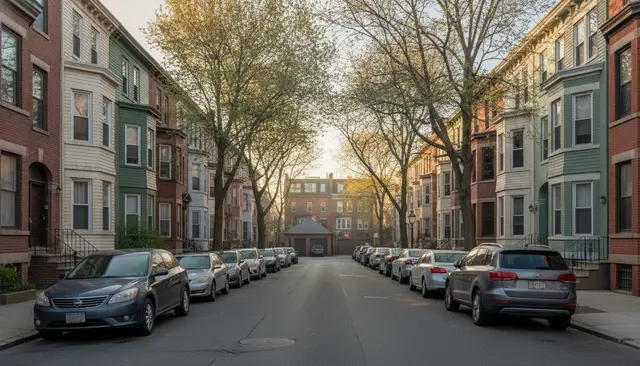
Much of the housing in Jamaica Plain, Roslindale, Hyde Park, Dorchester, Roxbury, and Mattapan was built long before the current zoning code. Triple-deckers, two-families, and older single-family homes on narrow lots are common, and many don't meet today's dimensional rules: a lot smaller than current zoning allows, a tighter side setback, or more floor area than a new build could get.
An existing structure like that can generally stay as it is. But adding on, whether a dormer, a rear addition, or converting a two-family into a three-family, often means asking the Boston Zoning Board of Appeal for relief, and the statewide changes don't make that any easier inside Boston.
That matters if you're weighing whether a bigger project before listing, like adding a bedroom, finishing a basement as legal living space, or adding a unit, would raise your sale price enough to justify the time and cost. If you'd heard that Massachusetts made variances easier to get, the math may look better than it is inside Boston.
What This Means If You're Getting Ready to Sell
- Don't assume the July 2026 reform changes your timeline. If your project needs zoning relief from the Boston Zoning Board of Appeal, plan for the same process you would have faced last year.
- An existing nonconformity doesn't force a renovation. If your triple-decker or two-family already falls short of today's dimensional rules, you don't have to fix that to sell. Buyers, their attorneys, and lenders will want to understand it.
- Be straightforward about open zoning questions. Massachusetts has no mandatory seller disclosure form, but an open zoning issue is the kind of thing a buyer's attorney looks for, and finding it late can derail a deal.
- A pending appeal can complicate a sale. If you have an application before the Board of Appeal when you decide to sell, talk to your attorney about whether to let it finish, withdraw it, or present it to buyers as pending.
- Boston's own rezoning is a separate track. The city's Squares and Streets rezoning and other neighborhood planning efforts are not part of the July 2026 statewide reform.
- The MBTA Communities Act doesn't apply in Boston either. The 2021 law (M.G.L. c.40A §3A) requires each of the 177 covered cities and towns to zone at least one district where multifamily housing is allowed as of right, at a minimum of 15 units per acre. It sits inside Chapter 40A, so Boston is exempt even though the MBTA serves it, according to the state's MBTA Communities page.
Whether to add value through an addition or a variance before listing, or to sell as is and leave that project to the next owner, depends on your lot, your setbacks, and how much time you have before you want to be under agreement. For related reading, see what new development means for Jamaica Plain home values and buying a triple-decker in Dorchester.
If your idea involves an accessory dwelling unit rather than a full addition, read what the law allows for ADUs in Boston first. Boston has its own ADU rules, separate from the general variance process.
FAQ
Does the 2026 Massachusetts zoning reform apply inside Boston city limits?
No. The reform amends the statewide Zoning Act, Chapter 40A, and Boston zones under its own law, Chapter 665 of the Acts of 1956. The new statewide variance standard doesn't change anything for homes in Boston.
What zoning law governs Boston instead of Chapter 40A?
The Boston Zoning Enabling Act, Chapter 665 of the Acts of 1956, administered by the Boston Zoning Commission and the Boston Zoning Board of Appeal.
Can I still get a variance for my triple-decker or two-family home in Boston?
Yes. The Boston Zoning Board of Appeal still hears variance requests, under Boston's own rules rather than the new "practical difficulty" test used in Chapter 40A communities.
Does this affect my home's nonconforming status if I'm getting ready to sell?
No. The July 2026 changes to nonconforming structures and abandonment periods are in Chapter 40A, which doesn't govern Boston. Boston's own rules still apply.
Does the MBTA Communities Act rezone homes in Boston?
No. It is Section 3A of Chapter 40A, which doesn't govern Boston. It applies to 177 other cities and towns, each of which must zone at least one district for multifamily housing as of right. Rezoning inside Boston comes through the city's own process, such as Squares and Streets.
Should I renovate or add square footage before listing my Boston home?
It depends on your lot, setbacks, and timeline. If the project would need relief from the Boston Zoning Board of Appeal, plan on the same process you would have faced a year ago.
If you're weighing a renovation, an addition, or listing as is, Juan Murray can walk through what each path would mean for your sale.
The bottom line: the July 2026 zoning reform doesn't change the process for Boston homes, so plan any variance or addition before you sell around the Boston Zoning Board of Appeal, the same as before.
Sources
- Bowditch & Dewey, "Massachusetts Legislature Approves Significant Amendments to the Zoning Act," July 15, 2026: https://www.bowditch.com/bowditchrealestateblog/2026/07/15/massachusetts-legislature-approves-significant-amendments-to-the-zoning-act/
Have questions? Let's connect.
About Juan Murray
Juan Murray is a Boston broker associate with more than 30 years of experience helping buyers, sellers, and investors across Greater Boston, personally leading every transaction from the first conversation through closing.
RE/MAX Real Estate Center · (978) 581-0801
Equal Housing Opportunity. Juan Murray is licensed as a Broker in Massachusetts, regulated by the Massachusetts Board of Registration of Real Estate Brokers and Salespersons. This article is general information only and does not constitute legal, tax, or financial advice. Confirm your specific costs and obligations with your closing agent, tax advisor, or lender.